
Your Guide to Wisdom Teeth Removal Recovery in North Brisbane
Discover expert advice for managing your recovery after wisdom teeth surgery, from dietary guidelines to preventing complications.

The decision to remove wisdom teeth is a proactive step towards long-term oral health. While the procedure itself is straightforward, a comfortable and successful recovery depends on the care you take in the days that follow. Following the guidance provided after your wisdom teeth removal is the first step toward a comfortable recovery, ensuring you heal properly and with minimal discomfort.
Managing the First 48 Hours Post-Surgery
The first two days following your procedure are the most critical for setting the stage for a smooth recovery. Think of this time as an opportunity to create a personal recovery nook at home, a quiet space dedicated to rest. For the first 24 hours, your primary focus should be on allowing your body to begin the healing process without interruption. This means limiting physical activity and prioritising rest.
Keeping your head elevated, even while resting, is a simple yet effective strategy. By propping your head up with pillows, you use gravity to your advantage, helping to reduce swelling and pressure at the surgical sites. This small adjustment can make a significant difference in your comfort levels. Speaking of swelling, it is a normal part of the healing process. To manage it, apply an ice pack to your cheek for 15 minutes on, then 15 minutes off. This cycle helps constrict blood vessels, which can minimise inflammation and provide a gentle numbing effect.
To stay ahead of any pain after wisdom teeth removal, it is wise to take your prescribed or recommended pain relief before the local anaesthetic completely wears off. This proactive approach prevents discomfort from escalating. It is important to avoid medications like aspirin, as its blood-thinning properties can interfere with clotting and increase bleeding.
You will likely notice some minor oozing, which may give your saliva a pink tinge. This is normal. However, if you experience more significant bleeding, remain calm. Bite down firmly but gently on a clean gauze pad for 30 to 45 minutes. This steady pressure is usually all that is needed to help a protective blood clot form, which is a cornerstone of your wisdom teeth aftercare.
Dietary Guidelines for Optimal Healing

Proper nutrition and hydration are not just about comfort, they are essential tools for healing. Shifting your diet temporarily is a nourishing strategy designed to protect the surgical site and provide your body with the energy it needs to repair itself. For the first few days, focus on soft, cool foods that require minimal chewing and will not irritate the area.
Thinking about what to eat after wisdom teeth removal does not have to be restrictive. Consider these nourishing options:
- Smoothies (without seeds and consumed with a spoon, not a straw)
- Lukewarm soups, like pumpkin or potato
- Greek yoghurt or soft cottage cheese
- Soft scrambled eggs
- Mashed potatoes or sweet potatoes
Just as important is knowing what to avoid. Hard, crunchy, or chewy foods like nuts, chips, or tough meats can physically disturb the healing site and dislodge the protective blood clot. Similarly, spicy or very hot foods can cause inflammation and discomfort. It is also best to avoid alcohol and caffeine, as they can contribute to dehydration and slow down the healing process.
The most critical dietary rule is to avoid using straws. The suction created when you drink through a straw is strong enough to dislodge the blood clot from the socket. This can lead to a painful complication known as a dry socket, significantly delaying your recovery.
| Category | Recommended Foods | Foods to Avoid |
|---|---|---|
| Temperature | Cool or lukewarm foods | Very hot foods and drinks |
| Texture | Soft, smooth, and easy to swallow (e.g., yoghurt, puréed soups, smoothies) | Hard, crunchy, or chewy foods (e.g., nuts, chips, steak) |
| Ingredients | Nutrient-dense, non-acidic items | Spicy, acidic, or seedy foods (e.g., citrus, tomatoes, berries with small seeds) |
| Hydration | Plenty of water, milk | Alcohol, caffeine, and sugary drinks |
| Utensils | Use a spoon | Do not use a straw |
This table provides a clear guide to making food choices that protect the surgical site and promote healing. The selections are based on minimising physical irritation and chemical inflammation while ensuring adequate nutrition.
Preventing Complications Like Dry Socket
One of the most common concerns after an extraction is the risk of a dry socket. Understanding what it is and how to prevent it puts you in control of your recovery. A dry socket occurs when the blood clot that forms in the extraction site is dislodged prematurely. This clot acts as a natural bandage, protecting the underlying bone and nerves. When it is lost, the sensitive area is exposed, leading to significant pain and a delay in healing.
Your oral hygiene routine needs a temporary adjustment to protect this clot. For the first 24 hours, avoid rinsing, spitting, or brushing near the surgical site. After this initial period, you can begin gentle warm salt-water rinses, especially after meals. The key is to do this gently. Instead of vigorous swishing, simply tilt your head from side to side, allowing the solution to flow over the area before letting it fall out of your mouth. This keeps the site clean without creating disruptive pressure.
Lifestyle factors play a major role in dry socket prevention tips. It is absolutely essential to avoid smoking and vaping during your recovery. These habits pose a double threat. The physical act of suction can easily dislodge the blood clot, while the chemicals in tobacco and vape smoke severely impair your body’s healing capabilities and increase the risk of infection. As supported by resources from the Australian Dental Association, protecting this clot is fundamental to healing. If you have any concerns about your healing process, our dedicated team is here to provide expert advice.
Knowing When to Seek Follow-Up Care
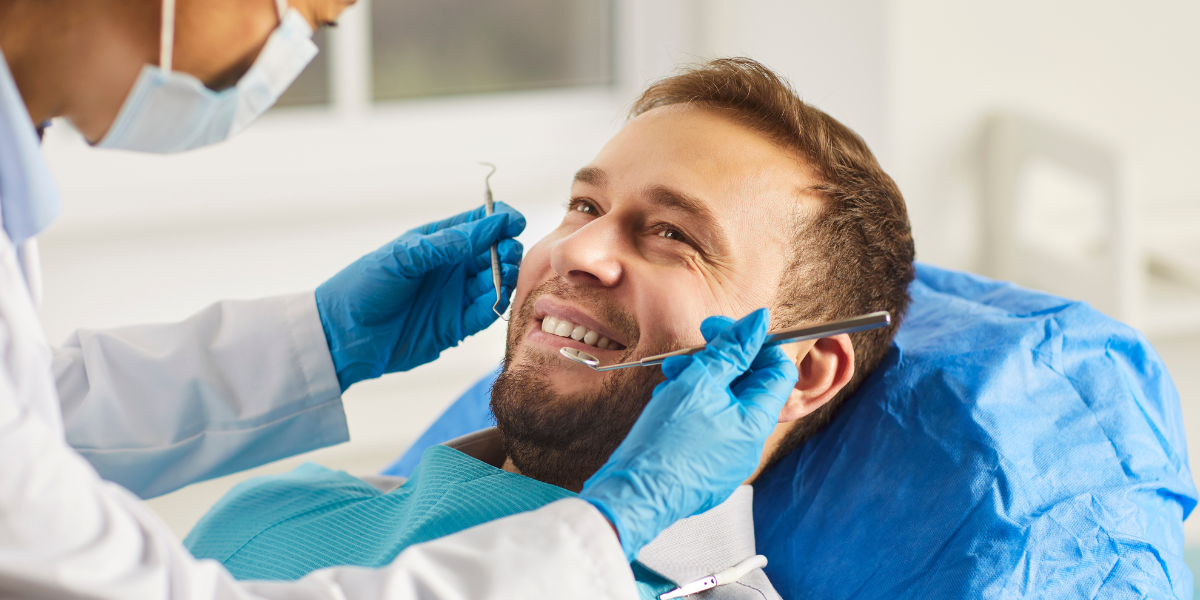
Understanding the typical healing timeline helps you monitor your progress with confidence. It is normal for pain and swelling to peak around the third day and then steadily improve. Some residual jaw stiffness or minor bruising on the cheek is also common and should resolve on its own. Your body is working hard to heal, and these are signs of that process.
While a smooth recovery is the goal, it is important to know which signs warrant a call to your dentist. Please contact us if you experience any of the following:
- Severe or escalating pain that is not managed by your prescribed medication after day four.
- Swelling that worsens instead of improving after the third day.
- A persistent bad taste or odour coming from your mouth.
- A fever, chills, or any visible pus from the extraction site.
These symptoms can indicate a complication that requires professional attention. Your scheduled follow-up appointment at our Ascot dental clinic is the final, essential step in your care. This visit allows us to professionally assess your healing, remove any sutures if necessary, and ensure your wisdom teeth removal recovery in Brisbane is a complete success. Whether you have questions about your recovery or wish to discuss other aspects of your oral health, we invite you to schedule a smile consultation.
Tags
Where to Find Us
Located on Racecourse Road in Ascot, we proudly serve patients from Hamilton, Hendra, Clayfield, and across Brisbane. Our clinic is situated between Bendigo Bank and BOQ, with free 3P parking available underneath the Coles centre (accessed via Dobson St).