
Your Guide to Wisdom Teeth Removal
An essential overview of the wisdom tooth extraction process for patients in the Brisbane area.
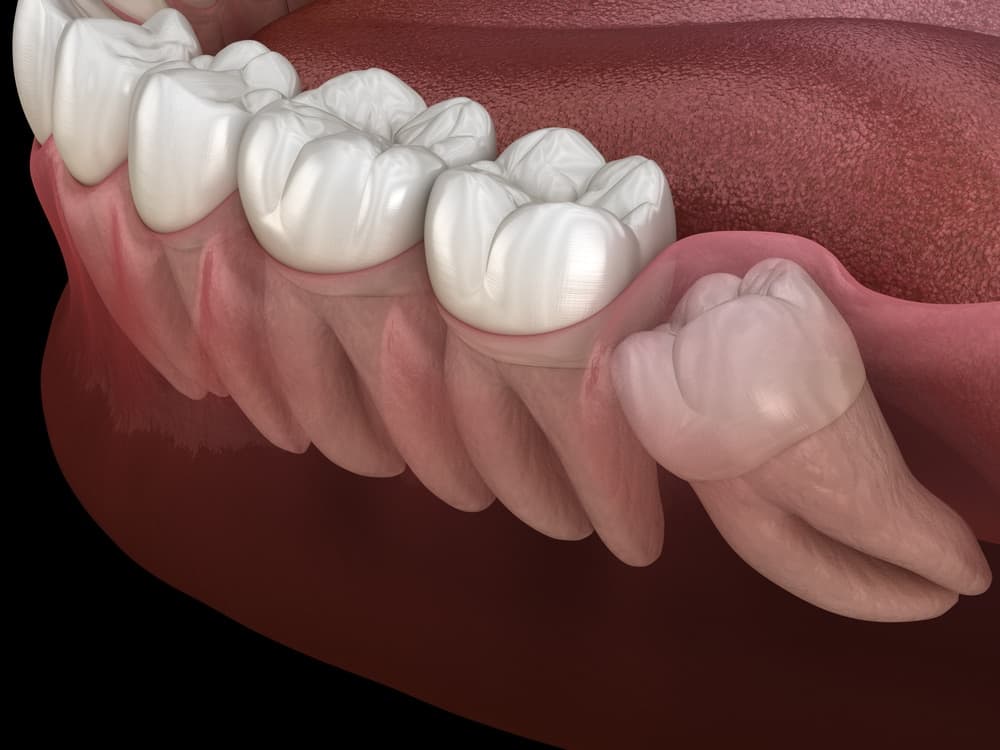
The arrival of wisdom teeth, typically in the late teens or early twenties, is a common dental milestone. While for some they emerge without issue, for many others they can introduce a range of problems that require professional attention. Understanding the signs and the reasons for removal is the first step toward protecting your long-term oral health.
Recognising the Signs for Wisdom Teeth Removal
Often, the primary reason for considering wisdom teeth removal is due to a tooth becoming ‘impacted’. This means it is trapped in the jawbone, unable to fully emerge into its correct position. An impacted tooth might be growing at an angle, horizontally, or simply not have enough space, creating pressure on adjacent teeth. This crowding can even compromise the alignment achieved through previous orthodontic work like braces or clear aligners.
Ignoring these issues can lead to more significant complications. A partially erupted tooth creates a pocket that is difficult to clean, making it a breeding ground for bacteria that can cause chronic infections. Over time, this can lead to the development of cysts or cause damage to the roots of neighbouring healthy molars. Paying attention to early warning signs is crucial. Watch for these common impacted wisdom tooth symptoms:
- Persistent jaw pain, aching, or stiffness near the back of the mouth.
- Swollen, tender, or bleeding gums around the back molars.
- Difficulty opening your mouth wide or discomfort when chewing.
- A bad taste in the mouth or persistent bad breath.
- Visible signs of a partially erupted tooth.
These symptoms are your body’s way of indicating that something is wrong. Addressing them promptly with a dental professional prevents minor discomfort from turning into a more complex health issue.
The Consultation and Personalised Planning Process
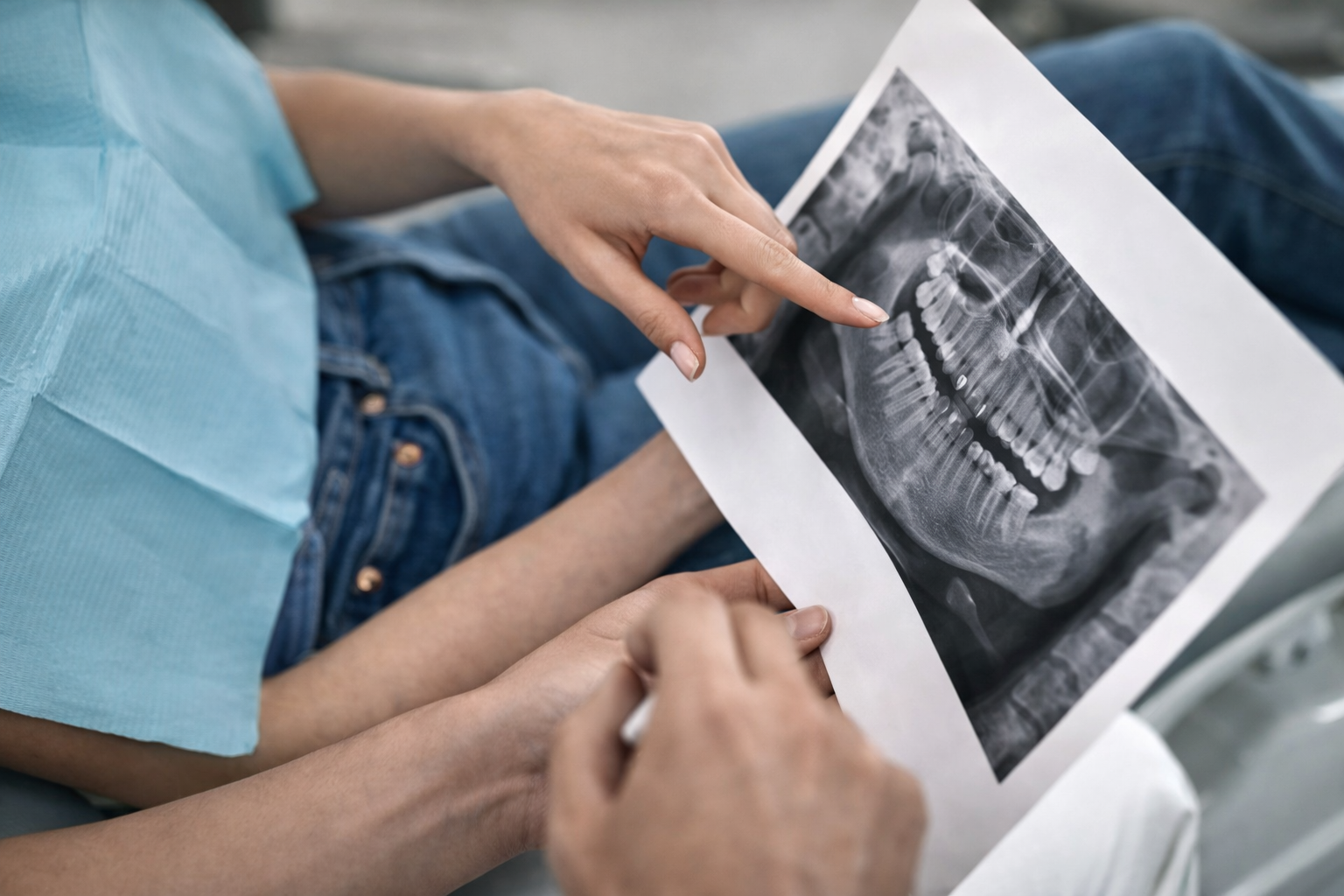
Once you’ve recognised the signs, the next stage is a thorough consultation to understand your specific situation. This initial meeting is a collaborative discussion, focused on listening to your concerns and answering your questions. It is far more than just a quick look in your mouth; it is the foundation for a successful and comfortable experience.
Advanced diagnostics play a critical role in this planning phase. We use a 3D Cone Beam CT (CBCT) scan to create a detailed map of your jaw. This technology provides an unparalleled view of your wisdom tooth’s exact position, its root structure, and its proximity to vital nerves and sinuses. This level of detail is essential for precise surgical planning, minimising risks and ensuring a predictable outcome.
With this information, we develop a personalised treatment plan tailored to your needs. We walk you through the findings, explain the complexity of your case, and discuss all available options. This comprehensive assessment is the first step, and you can schedule your own short consultation to discuss your specific needs. Understanding that dental anxiety is common, we also cover options for sedation dentistry Brisbane, from local anaesthesia for simple cases to IV sedation for those who prefer to be more deeply relaxed, ensuring you feel completely in control of your care.
What to Expect on the Day of Your Procedure
Knowing what will happen on the day of your procedure can help ease any apprehension. Our process is designed around your comfort and safety from the moment you arrive. We begin by reviewing the treatment plan with you one last time and answering any final questions you may have.
Next, we administer the chosen form of anaesthesia. Our primary goal is to ensure you are completely comfortable throughout the entire process. Once the area is fully numb, the procedure will begin. It is important to understand that you may feel pressure, but you should not feel any pain. This distinction is key to a relaxed experience. Our approach to wisdom teeth removal is centred on precision and patient comfort, ensuring the best possible outcome.
Immediately after the extraction, we will place gauze over the site to manage bleeding and move you to a comfortable recovery area for a short period of observation, especially if you have had sedation. Before you leave, we will provide clear, simple post-operative instructions for your care at home. For your safety, if you have undergone any form of sedation, it is essential to have a responsible adult drive you home and stay with you for several hours.
A Smooth Recovery After Your Extraction
A successful wisdom tooth extraction recovery depends on careful post-operative care. Following a structured plan helps minimise discomfort, prevent complications, and promote faster healing. Planning for your recovery also includes understanding the financial aspects, and various payment options are available to make the process manageable.
The First 48 Hours
This initial period is the most critical for healing. Focus on rest and avoid any strenuous activity. Bite gently on the provided gauze to control bleeding, changing it as directed. To manage swelling, apply an ice pack to the outside of your cheek for 20-minute intervals. This is a key strategy for minimising inflammation and discomfort.
Dietary Guidelines
What you eat and drink is vital. Stick to a diet of soft foods like soup, yoghurt, smoothies, and mashed potatoes. Just as important is what to avoid: do not use a straw, as the suction can dislodge the blood clot and lead to a painful condition called dry socket. Also, steer clear of hot liquids, crunchy foods, and alcohol for the first few days.
Pain Management and Oral Hygiene
Some discomfort is normal and can be managed with prescribed or over-the-counter pain relief. As highlighted in professional dental resources like a guide from Women in Dentistry, effective pain management involves a combination of medication and applying cold packs. After 24 hours, you can begin gently rinsing your mouth with a warm saltwater solution after meals to keep the area clean. When brushing, be very careful to avoid the extraction site. While mild swelling and bruising are normal, contact us if you experience uncontrolled bleeding, severe pain that isn’t managed by medication, or a fever.
| Timeframe | What to Expect | Key Actions |
|---|---|---|
| Day 1 (First 24 Hours) | Some bleeding, swelling, and discomfort. Numbness from anaesthesia will wear off. | Rest completely. Bite on gauze to control bleeding. Apply ice packs. Take pain medication as directed. Stick to liquids. |
| Days 2-3 | Peak swelling. Jaw stiffness and soreness are common. | Continue with soft foods. Begin gentle warm saltwater rinses after 24 hours. Continue pain medication. Avoid strenuous activity. |
| Days 4-7 | Swelling and discomfort should gradually decrease. Bruising may appear. | Slowly reintroduce semi-soft foods. Continue saltwater rinses after meals. Maintain gentle oral hygiene, avoiding the extraction site. |
| 1 Week Post-Op | Most soreness and stiffness should be gone. The socket is still healing. | Attend your follow-up appointment. You can usually return to a normal diet, but avoid sharp/hard foods near the site. |
This table provides a general guide for recovery. Healing varies for each individual, and it is essential to follow the specific post-operative instructions provided by your dentist.
Selecting Your Brisbane Dental Specialist

Choosing the right professional for your wisdom teeth removal Brisbane is the most important decision you will make in this process. Experience is paramount, particularly for complex impacted cases where precision is non-negotiable. A specialist who utilises advanced technology like 3D CBCT scanning demonstrates a commitment to safety and achieving the best possible patient outcomes.
Look for a practice with a patient-centric philosophy that values clear communication and personalised care. The skill of the practitioner is paramount, so it is wise to learn about the dental team who will be guiding your care. To help you make an informed choice, here are some questions to ask during your consultation:
- How many wisdom tooth procedures have you performed, especially cases similar to mine?
- What diagnostic technology do you use to plan the surgery?
- What sedation options do you offer to ensure I am comfortable?
- What does the total cost of wisdom teeth removal Brisbane include, and what are the payment plan options?
- What is your protocol for post-operative care and follow-up?
A confident and experienced dental team will welcome these questions, providing transparent answers that give you the peace of mind to proceed with your treatment.
Tags
Where to Find Us
Located on Racecourse Road in Ascot, we proudly serve patients from Hamilton, Hendra, Clayfield, and across Brisbane. Our clinic is situated between Bendigo Bank and BOQ, with free 3P parking available underneath the Coles centre (accessed via Dobson St).