
Your Guide to Managing Tooth Sensitivity in Brisbane
Discover practical steps and expert advice to manage tooth pain and enjoy a comfortable smile in Brisbane.

There are few things less welcome than the sharp, sudden sting of tooth sensitivity when you take a sip of a cold drink on a warm Brisbane afternoon. That fleeting discomfort is a common experience, but it’s not something you simply have to endure. It’s your body’s way of signalling that something has changed, and understanding the reason is the first step toward lasting relief.
Understanding the Source of Tooth Sensitivity
Tooth sensitivity isn't a disease in itself, but rather a symptom of exposed dentine, the softer layer of tooth tissue that lies beneath the hard enamel shell. Think of this dentine as being filled with thousands of microscopic straws, or tubules, that lead directly to the tooth’s nerve centre. When the protective enamel wears away or the gums recede, these tubules become exposed to external triggers like temperature, acidity, or even air, sending a sharp message straight to the nerve.
In a climate like Brisbane’s, the temptation for an iced coffee or a citrus-infused drink is constant. However, the local heat and humidity can also contribute to mild dehydration, which reduces saliva’s natural ability to buffer the acids from these refreshments, potentially accelerating enamel wear. The primary causes of sensitive teeth often trace back to this exposure.
- Enamel Erosion: A diet high in acidic foods and drinks, like soft drinks, citrus fruits, and wine, can gradually dissolve tooth enamel.
- Gum Recession: Brushing too aggressively, gum disease, or simply the natural ageing process can cause gums to pull back, exposing the sensitive root surfaces.
- Tooth Decay: Cavities create openings in the enamel that allow irritants to reach the dentine.
- Cracks or Chips: Even tiny, hairline fractures in a tooth can create a pathway to the nerve.
- Recent Dental Procedures: Professional treatments like teeth whitening can sometimes cause temporary sensitivity, which typically resolves on its own.
Recognising these triggers is the foundational step. Once you understand why the sensitivity is occurring, you can begin to address it effectively.
At-Home Strategies for Immediate Relief
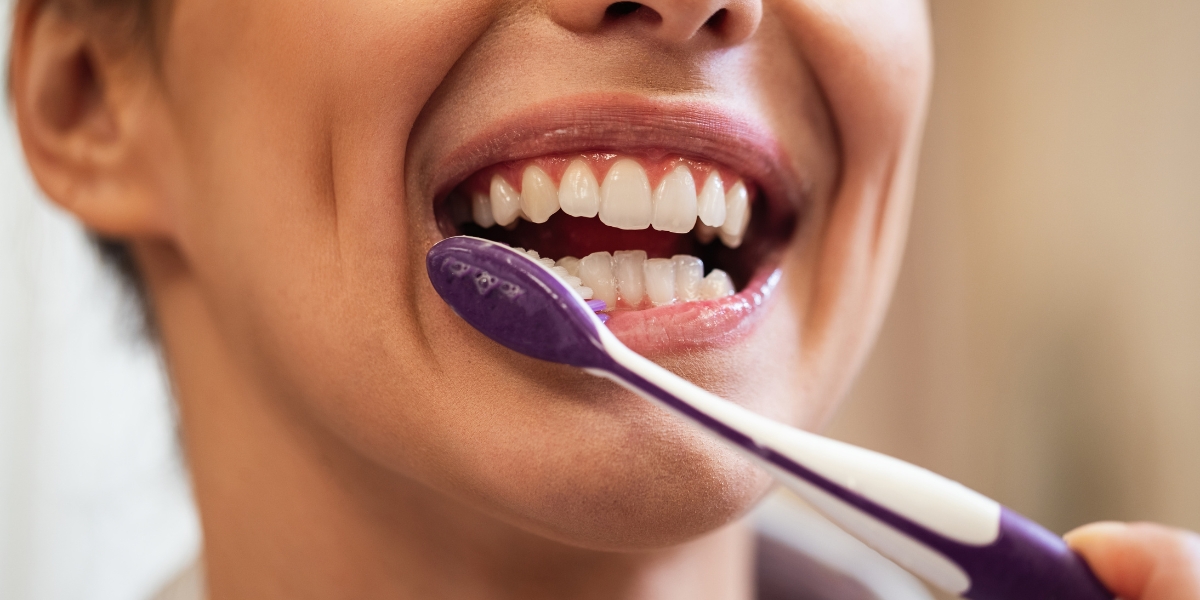
Once you’ve identified the likely source of your discomfort, you can implement practical at-home strategies to manage it. The goal is to either calm the nerve or block the microscopic tubules, and knowing how to stop tooth sensitivity often starts with simple, consistent habits. Many people find significant relief by choosing the best toothpaste for sensitive teeth in Australia, which typically works in one of two ways. Some contain ingredients like potassium nitrate, which helps to soothe the tooth’s nerve over time, making it less responsive to triggers. Others use compounds like stannous fluoride to create a barrier that blocks the dentinal tubules.
Beyond toothpaste, your technique matters. Many of us brush with more force than necessary, which can contribute to both enamel abrasion and gum recession. Switching to a soft-bristled toothbrush and using gentle, circular motions is a crucial adjustment for protecting your teeth. This isn’t just about cleaning; it’s about preserving the very structures that prevent sensitivity in the first place.
Dietary adjustments also play a significant role. Limiting acidic drinks and foods is helpful, but for those Brisbane days when an iced tea is non-negotiable, simple tricks can make a difference. Using a straw helps bypass direct contact with your teeth, and rinsing your mouth with plain water immediately after finishing can help neutralise lingering acids. These small actions, when combined, form part of a holistic approach to oral health that we believe is fundamental to long-term comfort and wellbeing.
| Strategy | Mechanism of Action | Best For | Time to See Results |
|---|---|---|---|
| Desensitising Toothpaste | Blocks nerve signals or seals dentinal tubules. | Generalised, mild to moderate sensitivity. | 2-4 weeks of consistent use. |
| Gentle Brushing Technique | Prevents further enamel wear and gum recession. | Preventing the worsening of sensitivity. | Immediate prevention, long-term benefit. |
| Dietary Adjustments | Reduces acid attacks that erode enamel. | Those who frequently consume acidic foods/drinks. | Can provide relief within days. |
| Rinsing with Water | Neutralises acids in the mouth after meals. | A simple, immediate action after eating or drinking. | Instantaneous acid neutralisation. |
When Professional Diagnosis is Essential
While at-home care is effective for managing mild, generalised sensitivity, it’s important to recognise when the issue requires professional attention. Persistent or severe discomfort is often a sign of an underlying problem that desensitising toothpaste alone cannot fix. This is when to see a dentist for sensitivity, not just for treatment, but for an accurate diagnosis.
During a consultation, we conduct a thorough examination to pinpoint the exact cause of your pain. Is it simple dentine exposure, or is it a sign of a cracked tooth, a failing filling, or deep decay? Advanced diagnostic tools allow us to differentiate between these issues and ensure you receive the correct treatment. Ignoring a specific, sharp pain can allow a small problem to become a much larger one.
Pay close attention to these warning signs, as they indicate that a professional assessment is necessary:
- Pain that is sharp, severe, and lingers for more than 30 seconds after a trigger is removed.
- Sensitivity localised to a single tooth, which could suggest a crack, cavity, or abscess.
- Discomfort that persists for over two weeks despite consistent use of desensitising products.
- Visible signs like gum swelling, a pimple-like bump on the gum, or a discoloured tooth.
- A persistent bad taste in your mouth, which may signal an infection.
If you are experiencing any of these symptoms, especially if you live in Ascot, Hamilton, or the surrounding suburbs, it is time to move beyond self-management. We encourage you to schedule a smile consultation to get a clear diagnosis and a personalised plan for relief.
Advanced Dental Solutions for Lasting Comfort
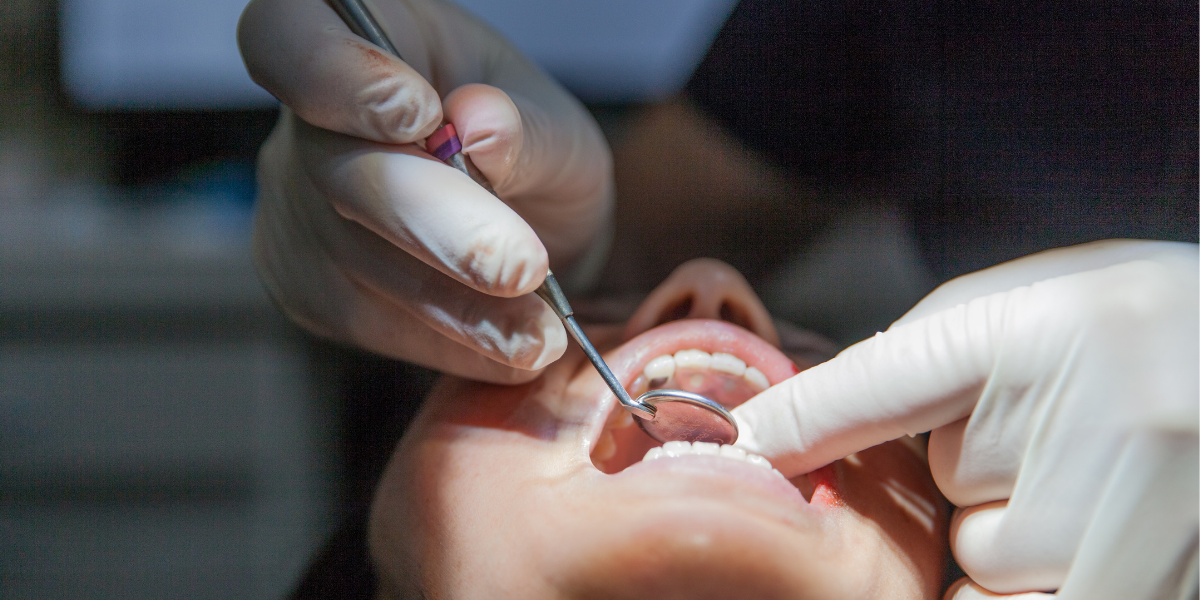
For sensitivity that persists despite diligent at-home care, professional treatments offer more definitive and lasting solutions. These interventions are designed not just to manage symptoms, but to address the root cause of the exposure, providing a durable barrier against triggers. One common approach is the application of a high-concentration fluoride varnish, which acts as a powerful desensitising agent and helps strengthen enamel. In other cases, a dental bonding agent can be applied to seal the exposed dentine and root surfaces, effectively creating a new protective layer.
Another significant, yet often overlooked, contributor to sensitivity is bruxism, or teeth grinding. This habit, which frequently occurs during sleep, places immense force on the teeth, wearing down enamel and causing micro-fractures. If we identify signs of grinding, a custom-fitted occlusal splint, or night guard, is an essential tool for preventing sensitive teeth from developing further. Unlike over-the-counter options, a professionally crafted splint is precisely moulded to your bite, ensuring maximum protection and comfort.
Ultimately, the most effective strategy for managing tooth sensitivity in Brisbane’s Northside is a preventative one. Regular check-ups allow us to identify and address potential issues like enamel wear or early gum recession before they lead to discomfort. By combining professional oversight with consistent home care, you can achieve sustained comfort and confidence in your smile. Our commitment is to provide not just immediate relief but also a long-term strategy for oral wellness, supported by accessible treatment plans and the expertise of our dedicated dental professionals.
Tags
Where to Find Us
Located on Racecourse Road in Ascot, we proudly serve patients from Hamilton, Hendra, Clayfield, and across Brisbane. Our clinic is situated between Bendigo Bank and BOQ, with free 3P parking available underneath the Coles centre (accessed via Dobson St).