
What Bleeding Gums Mean for Your Smile | Arete Dental Studio
Find out what causes bleeding gums and how to maintain optimal oral health for a confident smile.
The First Sign Something Is Amiss
The state of our gums often serves as a clear indicator of our body's overall wellness. Seeing a trace of pink on your toothbrush or in the sink is more than a minor inconvenience; it is a direct signal from your body that requires attention. This experience, while common for many across Brisbane, should not be dismissed. Healthy gums are firm, pale pink, and resilient, forming a tight seal around your teeth. They should not bleed from the gentle pressure of routine brushing or flossing.
Think of your gums as the essential foundation for a healthy, beautiful smile. Just as a house needs a stable base, your teeth rely on strong gum tissue for support. Ignoring an early warning sign like bleeding can compromise the long-term stability and appearance of your teeth. This initial sign of inflammation is often the first step toward more significant issues, making the practice of preventing gum disease a critical part of your health routine.
This imbalance in your oral environment can also reflect broader health concerns. The connection between oral health and systemic health is well-established, meaning what happens in your mouth rarely stays in your mouth. Understanding the cause of bleeding gums and knowing the appropriate response is the first step toward protecting not just your smile, but your overall wellbeing.
Common Culprits Behind Gum Bleeding
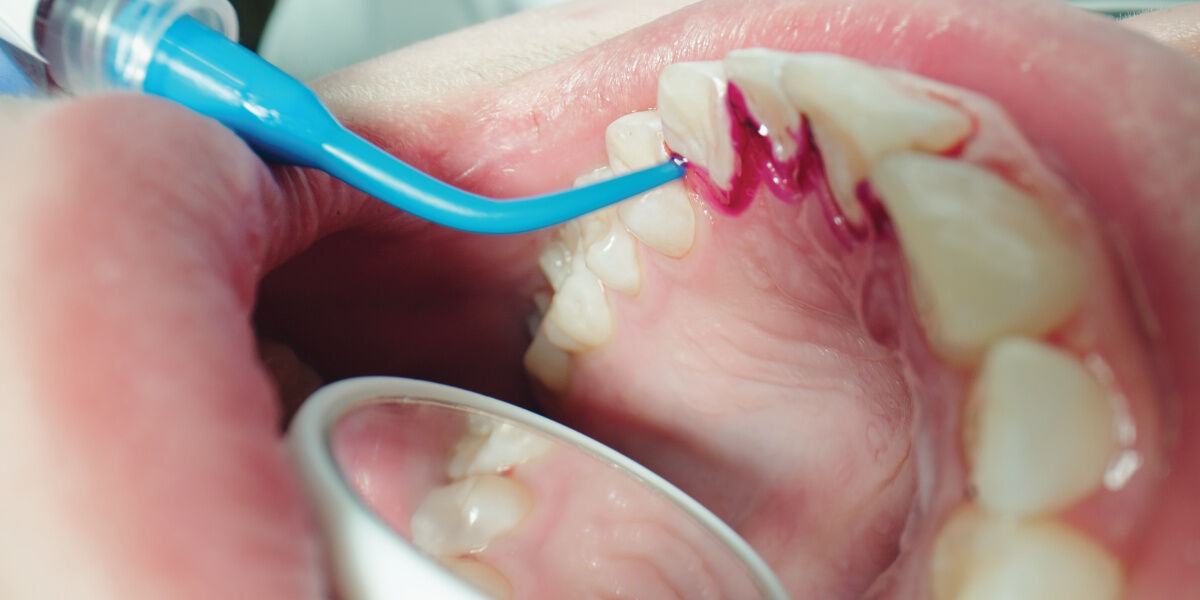
While the initial sight of bleeding gums is a clear warning, understanding the specific cause is the next step toward resolving it. The reasons can range from simple mechanical issues to more complex health factors, each requiring a different level of attention.
Plaque Buildup and Gingivitis
The most frequent cause of bleeding gums is the accumulation of plaque. This sticky, colourless film of bacteria constantly forms on our teeth. If not removed effectively through daily brushing and flossing, the toxins produced by plaque bacteria irritate the gum line. This irritation leads to inflammation, a condition known as gingivitis. The primary gingivitis causes and symptoms include red, swollen gums that bleed easily. It is the earliest and most reversible stage of gum disease.
Lifestyle and Hormonal Factors
Certain lifestyle choices and natural biological changes can make you more susceptible to gum problems. Smoking is a significant factor, as it impairs circulation to the gums, hindering their ability to heal and fight infection. Similarly, periods of hormonal fluctuation, such as during pregnancy or menopause, can increase gum sensitivity and the likelihood of inflammation. Even chronic stress can weaken your immune system's response to the bacteria that cause gum irritation.
Underlying Health Conditions
Sometimes, bleeding gums can be a sign of a systemic health issue. Conditions like diabetes can affect your body's ability to fight infection, including in your gums. Certain medications can also contribute to gum problems by reducing saliva flow, which is essential for washing away food particles and neutralising acids. Deficiencies in key nutrients, particularly vitamins C and K, can also manifest as bleeding gums, as these vitamins play a crucial role in tissue health and blood clotting.
| Cause Category | Specific Examples | Mechanism of Action |
|---|---|---|
| Oral Hygiene Related | Plaque and calculus buildup | Bacterial toxins irritate gums, causing inflammation (gingivitis). |
| Lifestyle Factors | Smoking, chronic stress | Reduces blood flow and healing capacity; weakens immune response. |
| Biological & Medical | Hormonal changes, diabetes, vitamin deficiencies | Increases gum sensitivity; impairs body's ability to fight infection. |
| Mechanical Injury | Aggressive brushing, new flossing routine | Direct trauma to delicate gum tissue. |
Proactive Steps for Optimal Gum Health
Knowing how to improve gum health involves more than just brushing twice a day. It requires a deliberate and gentle technique combined with consistent interdental cleaning and professional support. Adopting these habits can transform your oral hygiene routine from a daily chore into a powerful preventive practice.
Refining your brushing method is the first step. Many people brush too aggressively, which can damage both teeth and gums. For superior results, follow this approach:
- Choose a soft-bristled brush. Hard bristles can be abrasive and contribute to gum recession.
- Angle the brush at 45 degrees toward the gum line, where plaque accumulation is heaviest.
- Use gentle, circular motions to clean the outer, inner, and chewing surfaces of all teeth. Avoid harsh back-and-forth scrubbing.
Cleaning between your teeth is just as important as brushing. For traditional string floss, gently guide the floss between your teeth and curve it into a 'C' shape against one tooth. Slide it carefully beneath the gum line before moving to the next tooth. If you find flossing difficult, alternatives like interdental brushes or water flossers can be highly effective at removing plaque from these hard-to-reach areas.
While home care is fundamental, it cannot replace professional dental cleans. These appointments are essential for removing hardened plaque, known as calculus, which is impossible to eliminate with a toothbrush. A dedicated dental team can provide personalised guidance on the best practices for your unique needs, which is central to our patient-centred approach at Arete Dental Studio. Finally, your diet plays a supportive role. Consider incorporating more of these gum-friendly foods:
- Leafy Greens: Rich in Vitamin K, which supports healthy blood clotting.
- Citrus Fruits: Excellent sources of Vitamin C, vital for collagen production in your gums.
- Crunchy Vegetables: Foods like carrots and celery help clean teeth naturally as you chew.
When to Consult Your Ascot Dentist

Diligent home care is your first line of defence, but there are clear signs that indicate it is time to seek professional guidance. If you notice that your gums continue to bleed for more than two weeks despite your best efforts, scheduling a consultation is the most responsible step. Persistent bleeding gums in Brisbane is a signal that should not be ignored.
You should book an appointment with a dentist for bleeding gums if you experience any of the following:
- Gums that are swollen, puffy, or a deep red or purplish colour.
- Persistent bad breath or a bad taste in your mouth that does not go away.
- Gums that appear to be pulling away from your teeth, making them look longer.
- Any pain, tenderness, or discomfort in your gums.
A professional consultation is a partnership to understand the root cause of your concern. The examination is thorough, often involving measuring the small spaces between your teeth and gums and discussing your medical history to build a complete picture. As research highlighted by the Cleveland Clinic continues to reinforce, the connection between gum health and systemic conditions makes a comprehensive assessment vital. Seeking help is a proactive measure to protect your health. To discuss your concerns in a supportive environment, we invite you to book a smile consultation with our team.
Restoring the Foundation of Your Smile
If a professional assessment confirms the presence of gum disease, the focus immediately shifts to restoring health and stability. The goal of professional gum disease treatment in Ascot is to control the infection, halt its progression, and bring your gums back to a healthy state. This often begins with non-surgical interventions like scaling and root planing, a deep cleaning procedure that removes plaque and calculus from below the gum line and smooths the tooth roots to help gums reattach.
Restoring gum health is not just about treating a condition; it is about rebuilding the essential foundation of your smile. This healthy base is a prerequisite for the success and longevity of other advanced dental treatments. For example, achieving beautiful and lasting results with treatments like our dental implants is only possible when they are placed in a healthy oral environment, free from active gum disease.
For residents of Brisbane's Northside, we encourage you to view your oral health as an integral part of your overall wellbeing. Taking proactive steps to address concerns like bleeding gums is an investment in your long-term health and confidence. A healthy smile begins with a healthy foundation, and protecting it is a worthwhile pursuit for life.
Tags
Where to Find Us
Located on Racecourse Road in Ascot, we proudly serve patients from Hamilton, Hendra, Clayfield, and across Brisbane. Our clinic is situated between Bendigo Bank and BOQ, with free 3P parking available underneath the Coles centre (accessed via Dobson St).