
Understanding When a Dental Crown Is Necessary
Learn about the common dental issues, such as fractures and extensive decay, that indicate a crown may be the best solution for restoring your tooth.

The Protective Role of a Dental Crown
A dental crown is a custom-fitted restoration designed to completely cover a compromised tooth. Think of it as a bespoke helmet for a tooth that has become vulnerable. Its primary purpose is to restore the tooth’s original strength, shape, and appearance while shielding the natural structure underneath from further damage. This protective function is fundamental to modern restorative dentistry, allowing us to preserve teeth that might otherwise be lost.
At Arete Dental Studio, our approach is guided by biomimetic principles, meaning we aim to replicate the function and beauty of natural teeth. The materials we use for dental crowns in Brisbane, such as high-translucency zirconia and E-max porcelain, are chosen for their ability to mimic the resilience and appearance of natural enamel. This ensures the final restoration not only feels strong but also blends seamlessly with your smile. A crown isn't just a repair; it's a carefully engineered solution that returns a tooth to its optimal state of health and function.
Addressing a Cracked or Fractured Tooth
A cracked tooth often announces itself with confusing symptoms that can be difficult to self-diagnose. You might feel a sharp pain when you bite down that disappears just as quickly, or a lingering sensitivity to temperature changes. These sensations occur because the crack flexes under pressure, irritating the delicate pulp inside the tooth. Recognising these signs early is key to preventing more serious problems.
Common indicators of a cracked tooth include:
- A sharp, fleeting pain when biting down, which vanishes upon releasing the pressure.
- Unexplained sensitivity to hot, cold, or sweet foods and drinks.
- Pain that comes and goes, making it difficult to pinpoint the source.
A standard filling is often insufficient for a cracked tooth because it cannot hold the fractured pieces together or stop the crack from spreading. A dental crown, however, envelops the entire tooth, binding it together and distributing chewing forces evenly. This prevents further damage and relieves the painful symptoms. As the Cleveland Clinic highlights, a crown is often necessary to hold a cracked tooth together. For effective cracked tooth treatment in Ascot, an accurate diagnosis is paramount. We use advanced tools like intraoral cameras to precisely assess the crack’s extent before recommending a solution, ensuring your treatment is both appropriate and effective. If you suspect a crack, a professional assessment is the most important first step, and we invite you to schedule a smile consultation with our team.
When Decay Is Too Extensive for a Filling
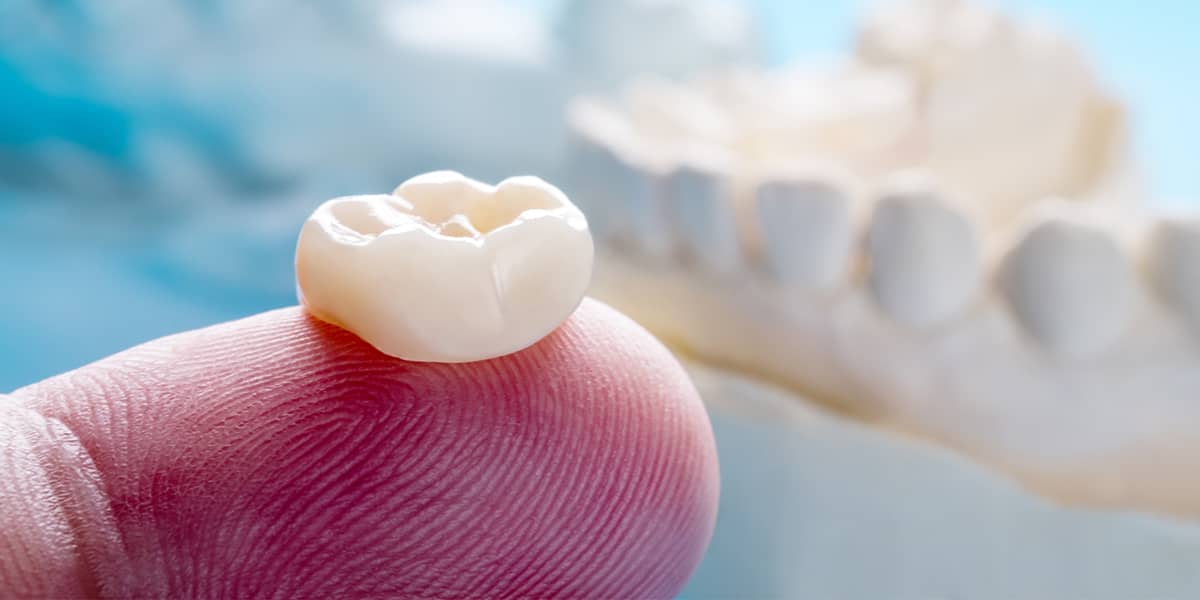
Many patients ask, when do I need a dental crown instead of just another filling? The answer lies in the structural integrity of the tooth. There is a clinical threshold where a filling is no longer a sound solution. This typically occurs when decay or a large, failing filling compromises more than half of the tooth’s width. Placing an oversized filling in such a weakened tooth is mechanically risky. It can act like a wedge, creating internal stresses that may eventually cause the remaining tooth structure to fracture under normal chewing forces.
In these situations, a dental crown becomes the definitive solution. Instead of just plugging a hole, it rebuilds and protects the tooth from all sides, restoring its strength and safeguarding it for the long term. Ignoring a large cavity can lead to infection, pain, and the need for more complex procedures. A crown provides a durable, comprehensive restoration that addresses the problem at its source.
| Factor | Large Dental Filling | Dental Crown |
|---|---|---|
| Structural Support | Fills a cavity but can weaken the tooth | Encircles and strengthens the entire tooth |
| Protection | Protects only the filled area | Shields the entire tooth from fracture and decay |
| Longevity | Shorter lifespan, may need replacement | Designed for long-term durability (10-15+ years) |
| Application | Suitable for small to moderate decay | Necessary for extensive decay, cracks, and post-root canal |
Safeguarding a Tooth After Root Canal Therapy
Following the previous discussion on extensive decay, it's important to understand another critical scenario: protecting a tooth after root canal therapy. A common misconception is that a root canal procedure is the final step in saving a tooth. While the treatment successfully removes the infected pulp from within, it also leaves the tooth more fragile. Without its internal nerve and blood supply, the tooth becomes dehydrated and brittle, making it susceptible to fracture from everyday chewing.
This is where a root canal crown becomes essential. It acts as a protective helmet, shielding the treated tooth from forces that could easily cause it to break. Placing a crown is not an optional extra; it is an integral part of the treatment protocol. The crown seals the tooth from bacteria, prevents reinfection, and restores its external strength, ensuring its long-term survival and function. We believe in comprehensive care, which includes planning for the financial aspects of treatment. Our clinic provides clear information on pricing and offers to help you manage the costs of complete dental solutions.
Improving Aesthetics and Function
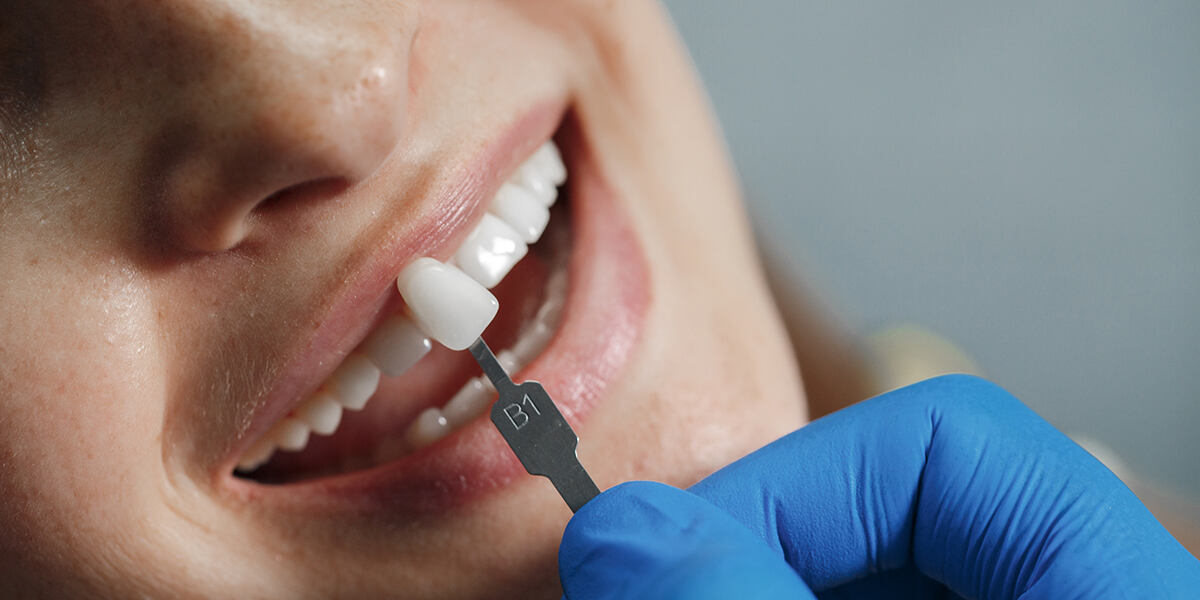
Beyond repairing damage, dental crowns offer remarkable versatility in enhancing a smile’s appearance and function. While the previous sections focused on restorative needs, crowns are also a cornerstone of cosmetic dentistry. They provide a reliable solution for a range of aesthetic concerns that other treatments may not fully address. Our cosmetic dental crowns in Queensland are custom-designed to create natural-looking, harmonious results.
A crown can resolve several aesthetic issues:
- Severe Discolouration: For deep stains that do not respond to professional teeth whitening, a crown can provide a permanent, beautifully white finish.
- Poor Shape or Size: Crowns can reshape teeth that are congenitally small, pointed, or worn down, creating a more balanced and proportional smile.
- Gaps and Misalignment: As part of a comprehensive smile makeover, crowns can close spaces or correct minor alignment issues, often working in concert with other treatments.
In a full smile redesign, crowns are frequently used alongside porcelain veneers or to restore dental implants, ensuring a seamless and cohesive outcome. Functionally, they are also used to rebuild teeth worn by grinding (bruxism), restoring a proper bite. Our process involves creating a 'cosmetic blueprint,' allowing you to co-design and approve your new smile before treatment begins, reflecting our commitment to personalised, patient-driven care.
The Value of a Timely Consultation
As we've explored, the reasons for needing a dental crown are varied, but the underlying message is consistent: proactive care is always better than reactive treatment. Ignoring symptoms like a cracked tooth or a failing filling often leads to more complex, invasive, and costly procedures later on. For residents in Brisbane's Northside communities like Ascot, Hamilton, and Clayfield, seeking a professional assessment at the first sign of concern is the most effective way to protect your oral health.
A consultation at our studio is an empowering educational experience, not a commitment to treatment. It is an opportunity to gain a clear understanding of your oral health and explore all available options in a supportive environment. Just as a business needs a clear strategy to succeed, your oral health journey benefits from expert guidance. This proactive approach is a cornerstone of our practice at Arete Dental Studio, where we are dedicated to providing personalised care and bespoke treatment plans that align with your unique needs and goals.
Tags
Where to Find Us
Located on Racecourse Road in Ascot, we proudly serve patients from Hamilton, Hendra, Clayfield, and across Brisbane. Our clinic is situated between Bendigo Bank and BOQ, with free 3P parking available underneath the Coles centre (accessed via Dobson St).