
The Truth About At Home Teeth Whitening In Brisbane
Learn whether DIY teeth whitening kits are a safe and effective option for your smile or if a professional approach is better for achieving your desired results.
Understanding the Popularity of At-Home Whitening
In Brisbane’s vibrant social and professional circles, a confident smile is more than just a feature; it’s an expression of vitality. This has led to a growing interest in convenient cosmetic solutions, particularly at-home teeth whitening. For many, the appeal lies in its flexibility. The ability to fit a whitening session around a demanding work schedule in the CBD or family life in suburbs like Ascot and Hamilton, without multiple clinic visits, is undeniably attractive.
Australian pharmacies and online stores offer a variety of these do-it-yourself kits. Most fall into three main categories: adhesive whitening strips, pre-filled universal trays, and gel kits activated by a small LED light. Each works by applying a whitening agent directly to the teeth for a set period.
However, it is important to approach at home teeth whitening in Brisbane with realistic expectations. These products are primarily designed to address mild, recent surface stains. The results are often gradual and can vary significantly from person to person. While the convenience is clear, it often comes with limitations in effectiveness and predictability, a crucial factor to consider when aiming for a truly enhanced smile.
The Science Behind Teeth Whitening Agents
To understand why some whitening methods are more effective than others, it helps to look at the science behind them. The active ingredients in most whitening products are either hydrogen peroxide or carbamide peroxide, which breaks down into hydrogen peroxide. These agents are what actually lighten the teeth.
How Active Ingredients Work
Think of these peroxide compounds as a targeted cleansing agent for your enamel. When applied, they release oxygen molecules that penetrate the microscopic pores of your tooth enamel. These molecules then react with and break down the discoloured compounds that cause staining. Essentially, they act like a precise bleach for stain molecules, lifting discolouration without damaging the underlying tooth structure itself when used correctly. The concentration of this active ingredient is the primary factor determining the potency and speed of the whitening process.
Extrinsic vs. Intrinsic Stains
Not all tooth discolouration is the same. Stains are generally categorised as either extrinsic or intrinsic. Extrinsic stains are on the surface of the enamel, caused by lifestyle factors like the tannins in coffee from a favourite New Farm cafe, red wine, or smoking. These are the most common types of stains and are the easiest to remove.
Intrinsic stains, on the other hand, are located deeper within the tooth structure. This type of discolouration can be caused by ageing, physical trauma to a tooth, certain medications, or excessive fluoride exposure during childhood. Because these stains are internal, they do not respond to surface treatments. According to the Therapeutic Goods Administration (TGA), teeth whitening products sold directly to consumers in Australia can contain no more than 6% hydrogen peroxide or 18% carbamide peroxide. This lower concentration is why their effectiveness is limited almost exclusively to mild extrinsic stains.
Effectiveness and Limitations of DIY Whitening
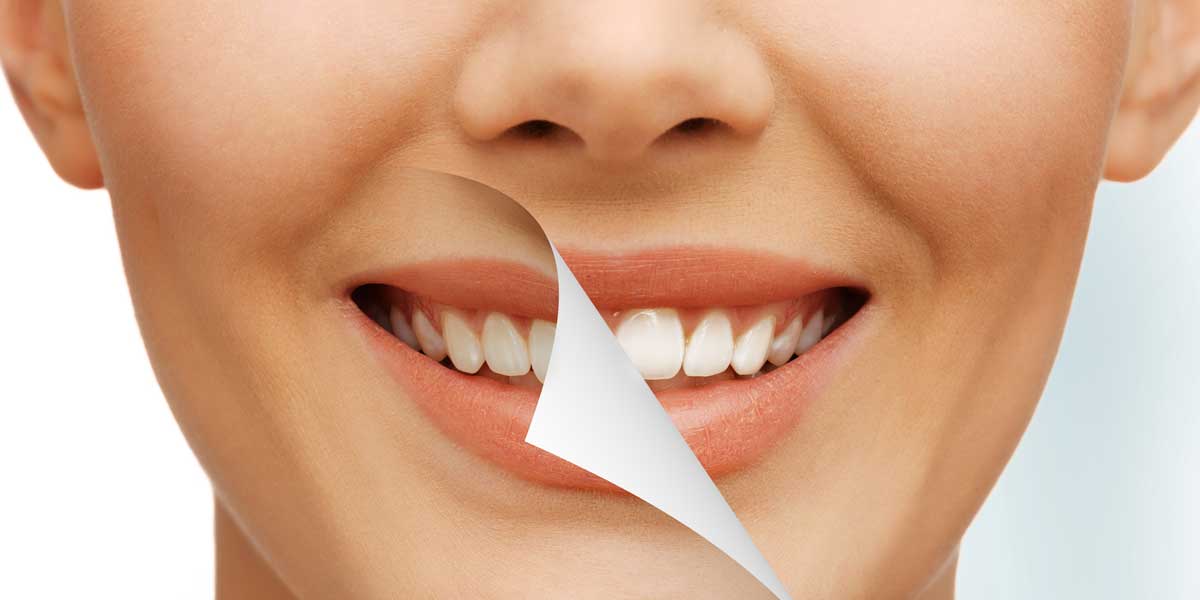
So, do teeth whitening kits work? The answer is nuanced. For some individuals with very light surface staining, consistent use can produce a subtle lift in brightness. However, their effectiveness is constrained by several factors that are beyond the control of a one-size-fits-all product.
Consistency is paramount; using a kit sporadically will likely lead to patchy and disappointing results. Beyond that, the final outcome depends heavily on:
- Type and Severity of Staining: As we've seen, these kits are formulated for extrinsic stains. Deeper, older, or intrinsic discolouration will show little to no improvement.
- Natural Tooth Shade: Every person has a unique natural tooth shade, which ranges from yellowish to greyish tones. Whitening products can only lighten this existing shade; they cannot change it to a different base colour.
- Existing Dental Work: This is a critical and often overlooked limitation. The materials used for fillings, crowns, and bridges do not respond to whitening agents. Whitening the natural teeth around them can create a noticeable and unnatural mismatch in colour. For individuals with existing dental work or stains that do not respond to bleaching, other cosmetic solutions may be more appropriate. For example, porcelain veneers we craft can be customised to a desired shade to create a completely harmonious and bright smile.
Many kits also include a blue LED light, claiming it accelerates the whitening process. While these lights aim to speed up the peroxide reaction, their clinical impact at the low concentrations found in at-home kits is a subject of ongoing debate among dental professionals. Ultimately, while DIY kits can offer a minor improvement for slight discolouration, they are not a substitute for professional treatment when seeking significant, uniform, and lasting results.
Navigating the Safety of At-Home Teeth Whitening
When considering any at-home treatment, safety should be the primary concern. While regulated products are generally safe for unsupervised use, there are potential side effects and risks associated with improper application or overuse.
Understanding these risks helps you make an informed choice:
- Tooth Sensitivity and Gum Irritation: These are the most common side effects. Sensitivity occurs when the peroxide penetrates the enamel to the dentin layer, while gum irritation is often caused by ill-fitting trays or strips that allow the whitening gel to make prolonged contact with soft tissues. This is usually temporary but can be quite uncomfortable.
- Risk of Enamel Damage: The desire for faster results can tempt some to use kits for longer durations or more frequently than recommended. This overuse can lead to enamel erosion, making teeth appear translucent or blotchy and increasing long-term sensitivity. This is counterproductive to achieving a healthy, beautiful smile.
- Importance of Regulated Products: To ensure safe teeth whitening in Australia, it is essential to choose products that comply with TGA regulations. Unregulated products purchased online from overseas may contain dangerously high concentrations of peroxide, posing a significant risk to your oral health.
If you experience persistent sensitivity or have concerns about the safety of a product, it is always best to cease use and seek professional advice. The experienced practitioners at our studio can provide guidance based on your specific dental health and history.
The Professional Approach to a Brighter Smile
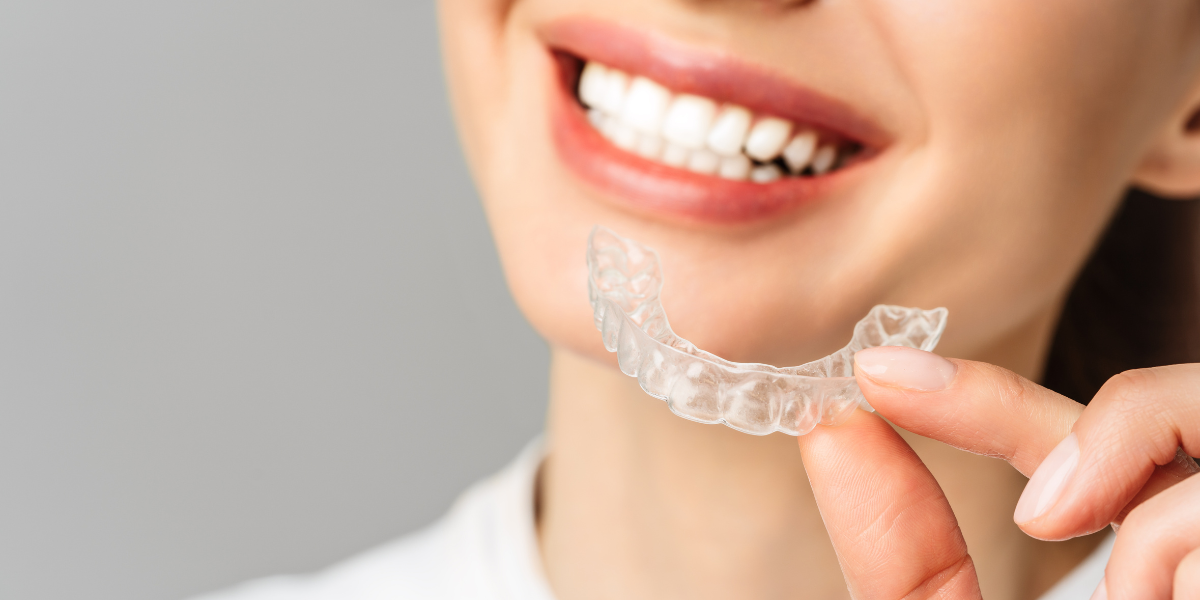
The fundamental difference between at-home kits and professional whitening lies in the personalised, clinical approach. A cosmetic dentist in Ascot does not simply hand you a product; they deliver a tailored treatment designed for safety, comfort, and superior results.
The Crucial Role of a Dental Examination
Professional whitening always begins with a comprehensive dental examination. This step is non-negotiable. It allows us to identify the underlying cause of your tooth discolouration and, more importantly, to check for any issues like cavities, micro-cracks, or gum disease. Applying a whitening agent over these conditions could cause significant pain and further damage. This diagnostic process ensures that whitening is both safe and appropriate for you.
Customisation for Superior Results and Safety
Unlike the one-size-fits-all nature of DIY kits, professional treatment is entirely customised. We take precise impressions of your teeth to create custom-moulded whitening trays. This perfect fit ensures the whitening gel is applied evenly across every tooth surface while forming a seal at the gum line to protect your soft tissues from irritation. Furthermore, we use higher-concentration, professional-grade whitening agents in a controlled clinical environment. This allows for more significant and predictable whitening. The difference lies in this tailored methodology, which is the hallmark of professional teeth whitening treatments we design to deliver safe and remarkable outcomes.
| Factor | At-Home Whitening Kits | Professional Whitening (e.g., at a cosmetic dentist in Ascot) |
|---|---|---|
| Diagnostic Process | None; self-assessed | Comprehensive dental exam to identify stain cause and check oral health |
| Customisation | One-size-fits-all trays or strips | Custom-moulded trays for a perfect fit and even results |
| Whitening Agent | Low concentration (max 6% HP / 18% CP) | Higher concentration, professional-grade agents for significant results |
| Safety & Supervision | Unsupervised; risk of user error | Clinically supervised to protect gums and monitor sensitivity |
| Expected Results | Modest improvement on surface stains; variable | Predictable, significant, and uniform whitening |
| Longevity | Shorter-term; requires frequent touch-ups | Longer-lasting results with proper maintenance |
Note: This table summarises the key differences between consumer-grade products and clinical treatments. The choice depends on an individual's dental health, the nature of their tooth discolouration, and their desired outcome.
Making an Informed Decision for Your Smile
Choosing the right whitening method comes down to your individual circumstances and aesthetic goals. There is no single "best" solution for everyone, but there is a best solution for you.
An at-home kit might be a reasonable option for someone with a perfectly healthy mouth, no dental restorations, and only very slight surface staining they wish to brighten. It could also serve as a minor touch-up tool long after a previous professional treatment.
However, you should always consult a Brisbane dentist for professional teeth whitening in Brisbane if you have moderate to severe discolouration, existing crowns or fillings, tooth sensitivity, or if you are seeking a truly transformative and reliable result. A professional can diagnose the cause of your staining and recommend a treatment that will deliver the outcome you desire safely and effectively.
Ultimately, the most effective path to a radiant smile is one that is designed specifically for you. To understand the best options for your unique dental profile and aesthetic goals, we invite you to arrange a personalised smile consultation.
Tags
Where to Find Us
Located on Racecourse Road in Ascot, we proudly serve patients from Hamilton, Hendra, Clayfield, and across Brisbane. Our clinic is situated between Bendigo Bank and BOQ, with free 3P parking available underneath the Coles centre (accessed via Dobson St).