
Sensible Steps for Managing Toothache Pain Before Your Dental Visit
Discover practical and safe steps for managing dental pain while you wait to see your dentist.

Understanding Your Toothache and What to Do Next
A toothache is more than just physical pain; it’s a persistent source of worry that can disrupt your sleep, work, and daily life. Feeling anxious or distracted by it is a completely normal response. It’s essential to view this discomfort not as an inconvenience, but as an important signal from your body. Think of it as an alarm bell indicating an underlying issue that needs professional attention and should not be ignored.
This guide offers safe, temporary measures for managing tooth pain and preventing further irritation until you can be seen at our Ascot dental clinic. It is crucial to remember that this advice is for symptom management only. It is not a substitute for a comprehensive dental examination, which is the only way to accurately diagnose and treat the root cause of your discomfort.
Safe At-Home Methods for Temporary Relief
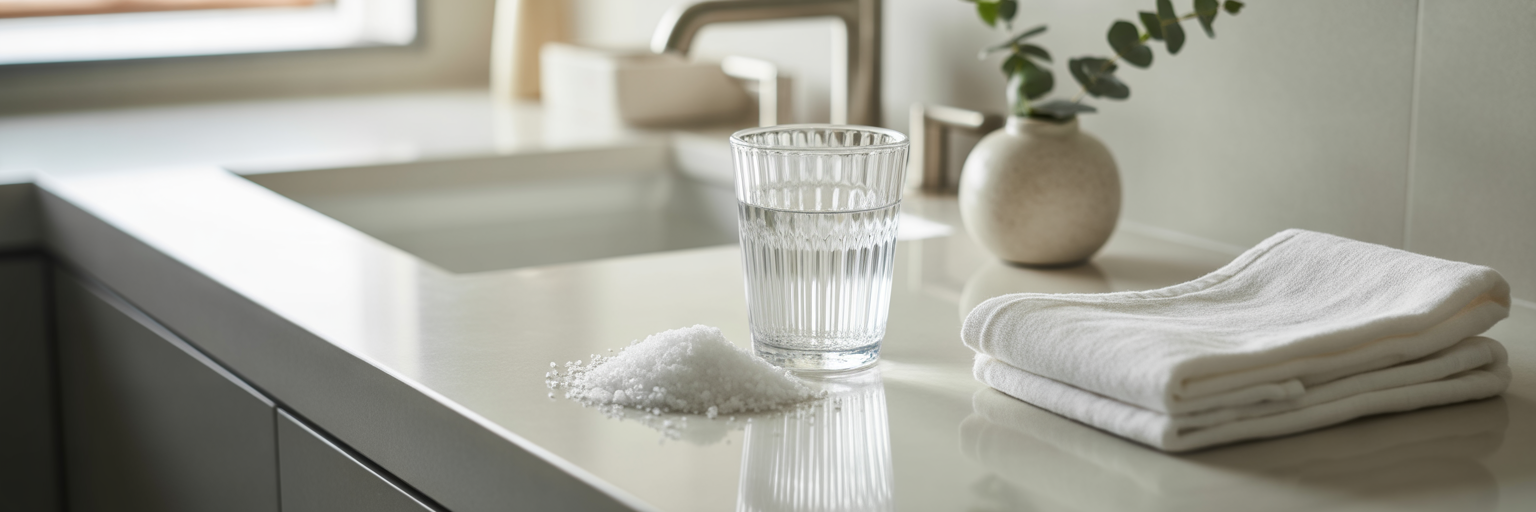
When you’re dealing with a persistent toothache, finding some measure of comfort is the immediate priority. Here are four safe and practical steps you can take at home for temporary toothache pain relief in Brisbane while you wait for your appointment.
- Warm Salt Water Rinse: This is a time-tested remedy for good reason. Salt water acts as a natural disinfectant that can help reduce inflammation and cleanse the area around the sore tooth. Dissolve half a teaspoon of table salt in one glass of warm, not hot, water. Swish the solution gently around the affected area for 30 seconds before spitting it out. Do not swallow the water.
- Cold Compress Application: Applying cold to the area helps numb the nerves and constrict blood vessels, which can reduce swelling and dull the throbbing pain signals. Wrap an ice pack or a bag of frozen peas in a clean tea towel and apply it to the outside of your cheek for 15 to 20 minute intervals.
- Responsible Use of Pain Medication: Over-the-counter pain relievers like paracetamol or ibuprofen can be effective for managing dental pain. It is absolutely essential to follow the dosage instructions on the packaging and consult your pharmacist if you have other health conditions. A critical safety warning: never place aspirin or any painkiller directly on the tooth or gums, as this can cause a painful chemical burn to the soft tissue.
- Elevate Your Head When Resting: Lying flat can cause blood to pool in your head, increasing pressure and intensifying the throbbing sensation of a toothache. When resting or sleeping, use an extra pillow to keep your head elevated. This simple adjustment can provide significant relief, especially during the night.
While these home remedies offer a temporary reprieve, the goal is a professional diagnosis. For a thorough assessment of your dental health, the team at Arete Dental Studio is here to help.
Navigating Meals and Drinks with a Sore Tooth
What you eat and drink can either soothe or severely aggravate a toothache. Making mindful choices can prevent sharp pains and further irritation. Here is a guide on what to do for a toothache during mealtimes.
First, identify and avoid common trigger foods. The following are some of the main foods to avoid with toothache:
- Sugary and Acidic Items: Soft drinks, lollies, citrus fruits, and some juices can feed bacteria and irritate an exposed nerve, causing a sharp spike in pain.
- Extreme Temperatures: Very hot coffee or soup and icy-cold drinks or ice cream can send a painful shock through a sensitive tooth. Stick to lukewarm temperatures.
- Hard, Crunchy, and Chewy Foods: Nuts, crusty bread, tough meats, and sticky caramels place direct pressure on the sore tooth and can even risk causing further damage.
Instead, embrace a soft food diet that is gentle on your mouth. Comforting and nutritious options include smooth soups, yoghurts, scrambled eggs, mashed potatoes, oats, and smoothies. These foods require minimal chewing and are less likely to cause irritation.
Finally, practise mindful chewing. Consciously chew on the side of your mouth opposite the pain. This simple technique minimises pressure on the sensitive area, making mealtimes far more manageable. When a damaged tooth is the source of such discomfort, it highlights the importance of restorative care. For underlying issues that might lead to tooth loss, modern solutions like our advanced dental implants offer a permanent and functional restoration.
Recognising the Signs of a Dental Emergency
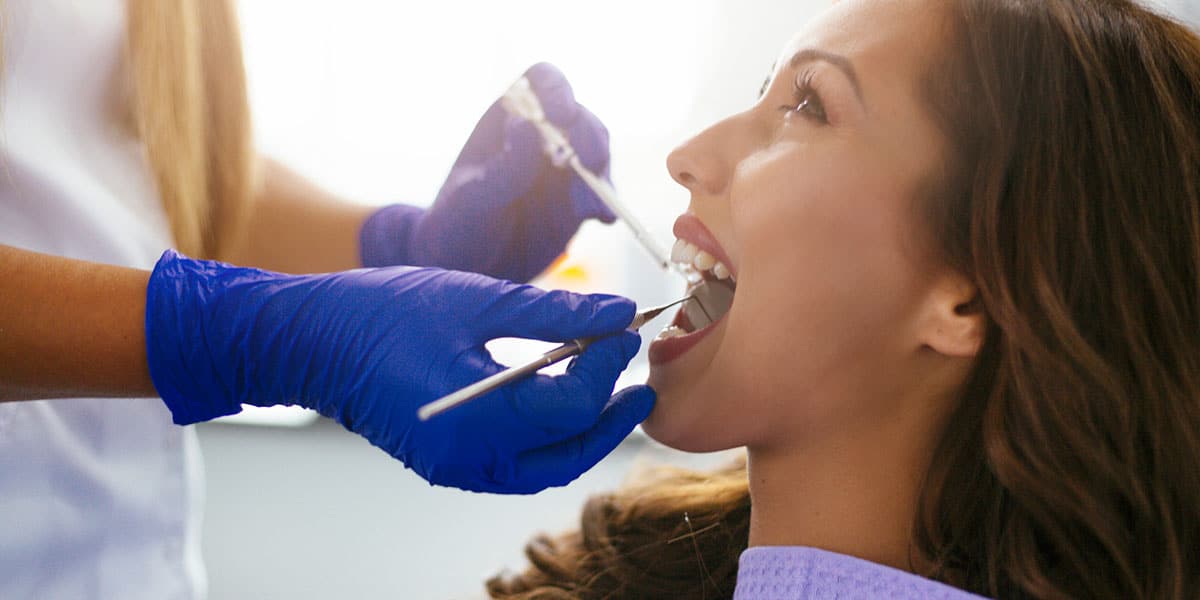
It is vital to understand the difference between a toothache that is urgent and one that constitutes a medical emergency. An urgent issue requires a prompt dental appointment, while a true emergency may indicate a spreading infection that could become life-threatening and requires immediate medical attention.
The table below helps clarify the distinction:
| Symptom | Level of Concern | Recommended Action |
|---|---|---|
| Dull, persistent ache | Urgent | Schedule an appointment with your dentist. |
| Sharp pain when biting or with hot/cold | Urgent | Call your dentist for an assessment. Avoid triggers. |
| Severe, throbbing pain that disrupts sleep | Highly Urgent | Contact your dentist for an urgent appointment. |
| Pain accompanied by facial swelling and/or fever | Emergency | Contact your dentist immediately or go to a hospital emergency department. |
| Swelling that impacts breathing or swallowing | Critical Emergency | Go to the nearest hospital emergency department or call Triple Zero (000) immediately. |
If you are experiencing severe symptoms like difficulty breathing or swallowing, or have swelling that is visibly spreading down your neck or towards your eye, do not wait. If you need an emergency dentist on Northside Brisbane for urgent care guidance, call your dentist. However, for the critical emergency signs listed above, go directly to a hospital. Authoritative sources like Healthdirect Australia emphasise that symptoms such as facial swelling combined with a fever require immediate medical assessment to rule out a spreading infection.
How to Prepare for Your Dental Consultation
Coming to your appointment prepared helps you become an active partner in your own care and allows our team to diagnose the issue with greater precision. Here is a simple checklist to help you get ready for your visit.
- Document Your Symptoms: Take a few moments to note down key details about your pain. When did it start? Is it constant or does it come and go? What does it feel like—sharp, dull, or throbbing? What makes it better or worse? This information is incredibly valuable for diagnosis.
- Compile a Medication List: Make a list of all medications, vitamins, and supplements you are currently taking. This is vital for our dentists to ensure any treatment or prescription we provide is safe and will not interact with your current regimen.
- Formulate Your Questions: Thinking about your questions beforehand ensures all your concerns are addressed. You might want to ask: ‘What do you believe is causing the pain?’, ‘What are my treatment options?’, and ‘What are the costs involved?’.
This preparation helps us co-design a personalised treatment plan that is right for you. Coming to your appointment prepared helps us tailor the perfect solution, starting with a comprehensive smile consultation where we can discuss all your options.
Your Path to Lasting Comfort and Health
While at-home measures can provide much-needed temporary relief, they are a bridge, not a solution. Lasting comfort can only be achieved once a qualified dentist identifies the true cause of your toothache using advanced diagnostic tools. At Arete Dental Studio, we are committed to providing a definitive diagnosis and a personalised treatment plan to restore your oral health.
For residents of Ascot, Hamilton, Clayfield, and the surrounding Brisbane Northside suburbs, we invite you to contact our clinic to find lasting relief. Whether the cause is decay, an injury, or another issue, our team is equipped to help. For instance, problems with impacted wisdom teeth are a common source of severe dental pain that we regularly manage.
Tags
Where to Find Us
Located on Racecourse Road in Ascot, we proudly serve patients from Hamilton, Hendra, Clayfield, and across Brisbane. Our clinic is situated between Bendigo Bank and BOQ, with free 3P parking available underneath the Coles centre (accessed via Dobson St).