
A Vital Dental Check Before Starting Certain Medical Treatments
Discover how a proactive dental visit can safeguard your oral health when you're prescribed specific systemic medications.
The Unseen Link Between Your Medicine and Your Smile
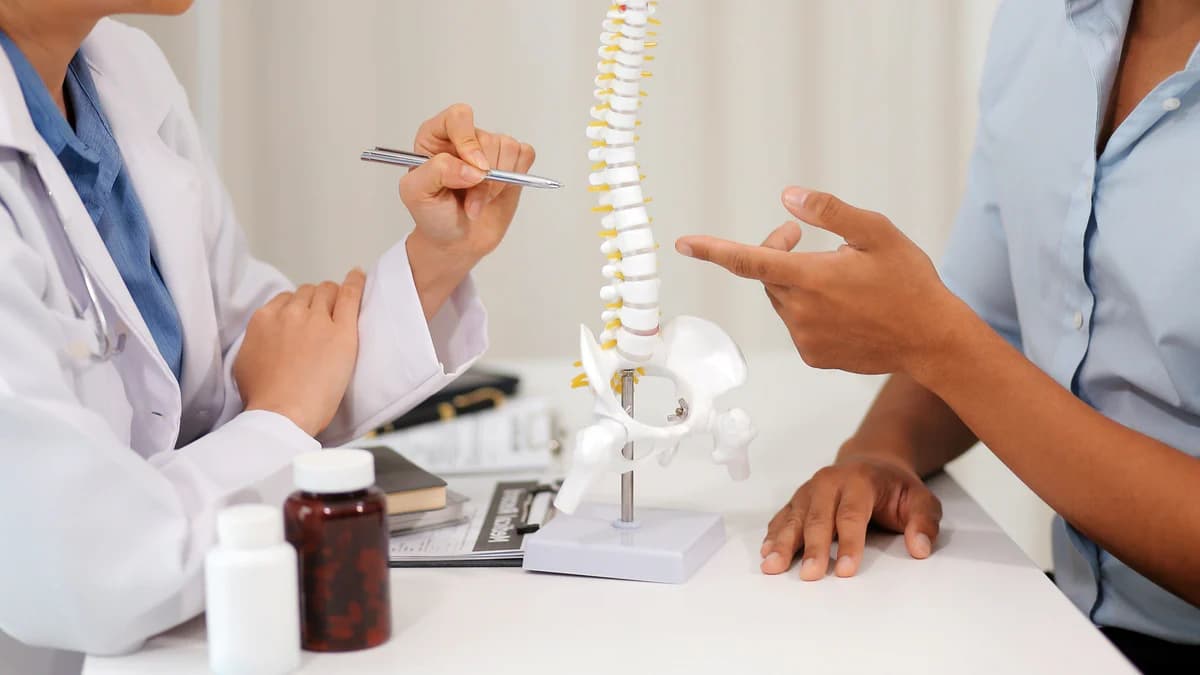
Modern medicine understands that the body is an interconnected system. A treatment prescribed to strengthen your bones, for example, can have direct and important consequences for your oral health. While your GP focuses on managing conditions like osteoporosis or cancer, the medications involved can introduce often uncommunicated risks to your mouth.
One such risk is a rare but serious condition called Medication-Related Osteonecrosis of the Jaw (MRONJ). This occurs when the jawbone’s natural ability to heal is compromised following dental procedures like a tooth extraction. Understanding the connection between certain medications and these potential oral health and medication side effects is not about causing alarm. Instead, it is the first step toward effective prevention, empowering you to work proactively with your medical and dental teams to protect your overall wellbeing.
Understanding the Medications and Their Impact on Jaw Health
The medications most commonly associated with MRONJ are a class of drugs called antiresorptive agents. These include bisphosphonates and denosumab, which are frequently prescribed to increase bone density. Think of them as applying a brake to the body’s natural bone-recycling process. While this is highly effective for strengthening the skeleton, it has a different effect on the jaw.
The jawbone has a higher rate of turnover than other bones in the body. When this process is slowed by medication, the blood supply to the jaw is reduced, diminishing its capacity to repair itself after trauma. This is why a simple tooth extraction can become problematic for someone on these treatments.
It is important to maintain a balanced perspective. The risk is generally low for patients taking oral medications for osteoporosis. However, as the American Association of Oral and Maxillofacial Surgeons (AAOMS) notes in their 2022 position paper, the risk increases with intravenous use, higher doses, and longer treatment durations, which are more common in cancer care. These medications are essential for managing serious health conditions. The goal is not to avoid them, but to intelligently manage their oral effects through coordinated care.
The Critical Role of a Pre-Treatment Dental Assessment
The single most effective measure against MRONJ is a pre-treatment dental assessment. This comprehensive dental clearance for bisphosphonates and similar drugs must be scheduled before you take the first dose of the medication. It is a proactive step to ensure your mouth is stable and healthy, minimising the need for invasive procedures down the track.
At a premium practice, this evaluation is meticulous and involves several key stages:
- Thorough Clinical Examination: We conduct a detailed inspection of every tooth, gum pocket, and the surrounding soft tissues to identify any existing or potential issues.
- Advanced Digital Imaging: We utilise 3D Cone Beam CT (CBCT) scans to gain a precise, three-dimensional view of your jawbone structure and density. This technology provides far more detail than a standard X-ray, allowing for a more accurate diagnosis.
- Proactive Treatment Planning: Any potential problems, such as teeth with a poor long-term prognosis, advanced gum disease, or ill-fitting dentures, are identified. We then create a plan to resolve these issues before your medical treatment begins.
The objective is to create a healthy oral environment that is unlikely to require surgical intervention while you are on the medication. As your trusted dentist in Ascot QLD, we collaborate closely with your GP or specialist, providing a detailed report to ensure a safe, holistic approach to your health. The first step in this process can be a comprehensive smile consultation where we can discuss your unique situation.
Strategic Timing for Dental Implants

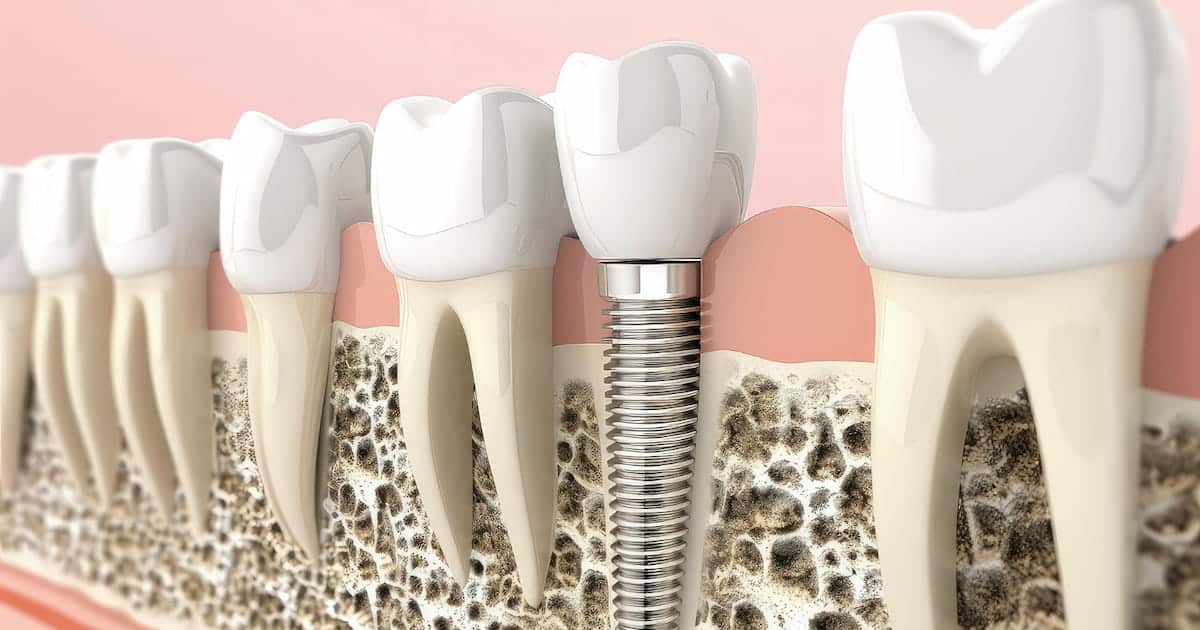
For those with missing teeth, dental implants represent the gold standard in tooth replacement. They are designed to function like natural tooth roots, fusing directly with the jawbone in a process called osseointegration. This biological bond provides unmatched stability and helps preserve the structure of the jaw.
However, the success of this procedure is critically linked to timing. Planning for dental implants before osteoporosis treatment or other antiresorptive therapies is by far the superior strategy. This proactive approach allows the jaw to heal and integrate the implant under normal physiological conditions, when its repair capacity is at its peak. The result is a predictable and highly successful outcome.
In contrast, attempting to place an implant after medication has begun introduces significant complexities. The compromised healing response makes the procedure less predictable and carries a higher risk of implant failure or MRONJ. While not always impossible, it requires careful specialist assessment. Choosing to secure your smile with one of our durable dental implants beforehand is a strategic investment in your long-term health and quality of life, ensuring a confident, functional smile before new medical variables are introduced.
| Factor | Proactive Approach (Implant Before Medication) | Reactive Approach (Implant During/After Medication) |
|---|---|---|
| Predictability | High; follows standard healing protocols. | Lower; healing response is altered. |
| Risk of Complications | Significantly lower; bone integrates normally. | Higher risk of failed integration and MRONJ. |
| Treatment Complexity | Standard surgical procedure. | Requires specialist assessment and complex management. |
| Long-Term Stability | Excellent; based on proven osseointegration. | Less certain; dependent on individual patient factors. |
Maintaining Your Oral Health During and After Treatment
If you are already taking these medications, the focus shifts to diligent maintenance to prevent the need for invasive procedures. A meticulous at-home care routine is your first line of defence.
- Gentle and Thorough Brushing: Use a soft-bristled brush and a non-abrasive toothpaste to clean your teeth twice daily without irritating the gums.
- Interdental Cleaning: Daily use of floss, interdental brushes, or a water flosser is essential to remove plaque and bacteria from between the teeth where your brush cannot reach.
- Regular Self-Checks: Be vigilant for any changes in your mouth. Look for sores that do not heal, areas of numbness or heaviness in the jaw, or unexplained swelling.
Regular professional check-ups and cleans are non-negotiable. These appointments go beyond a simple clean; they are opportunities for expert monitoring. Effective MRONJ prevention in Brisbane relies on this consistent, professional oversight. If you notice any subtle symptoms like persistent discomfort, loose teeth, or exposed bone, contact your dentist immediately. Your awareness makes you an active partner in your own care, and you can trust that our experienced dental team is trained to spot the earliest signs of trouble.
A Collaborative Approach to Your Lifelong Health
The central message is clear: proactive planning and coordinated care are the keys to safely managing the oral health effects of these essential medications. We believe in a ‘triangle of care’, which involves a seamless communication loop between you, your prescribing GP or specialist, and your dentist. This collaborative model ensures every decision is made with a complete picture of your health.
At Arete Dental Studio, we see ourselves as dedicated partners in your lifelong health journey, combining personalised care with advanced technology. We encourage you to take ownership of your health by asking questions, seeking expert advice, and building a strong, trusting relationship with all your healthcare providers. Your wellbeing is worth the conversation.
Tags
Where to Find Us
Located on Racecourse Road in Ascot, we proudly serve patients from Hamilton, Hendra, Clayfield, and across Brisbane. Our clinic is situated between Bendigo Bank and BOQ, with free 3P parking available underneath the Coles centre (accessed via Dobson St).