
A Patient's Guide to Reversing Early Tooth Decay
Discover effective at-home and professional strategies for strengthening enamel and halting the progression of initial dental decay.

Understanding the First Signs of Tooth Decay
That faint, chalky spot on a tooth can be unsettling, but it is often not a cavity. It is the earliest sign of a dynamic process that, with the right approach, can be stopped and even reversed.
Early tooth decay is a process of mineral loss, known as demineralisation, from the tooth’s protective enamel layer. It is not a permanent hole. This process begins when bacteria in your mouth consume sugars and produce acids. These acids slowly dissolve the minerals that make your enamel hard, creating a weak spot. The first visual cue is often a matte, chalky patch on the tooth’s surface, sometimes called a ‘white spot lesion’. These are the early signs of tooth decay, indicating that the enamel structure is weakening from within.
Your body has a natural defence mechanism called remineralisation. Saliva is rich in calcium and phosphate, which it constantly deposits back onto your teeth to repair this microscopic damage. Early decay occurs when the rate of demineralisation outpaces remineralisation. The key takeaway is that this initial stage is a reversible process. Detecting it during a regular dental check-up provides a crucial window of opportunity to strengthen the tooth and avoid more invasive procedures like fillings.
Foundational At-Home Care for Enamel Repair
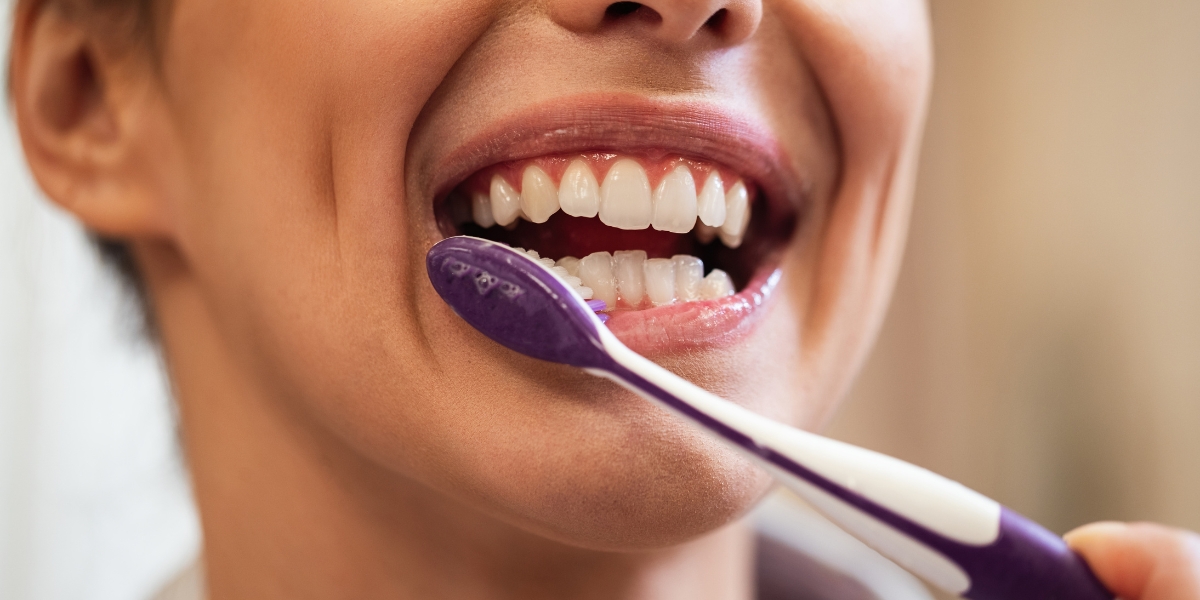
Understanding that early decay is a mineral problem naturally leads to the solution: putting those essential minerals back. The cornerstone of this effort is fluoride, a mineral that integrates into the enamel to form fluorapatite, a new surface that is significantly more resistant to acid attacks. This is how you can effectively remineralise teeth at home and halt decay in its tracks.
While standard over-the-counter fluoride toothpastes are effective for daily maintenance, your dentist may recommend a high-concentration prescription toothpaste if you are at higher risk. However, the product itself is only part of the equation. Consistency and proper technique are what truly deliver results. At Arete Dental Studio, our philosophy is built on empowering patients with the knowledge to maintain their oral health between visits. This begins with mastering these foundational habits:
- Brush correctly, twice a day. Use a soft-bristled toothbrush and a pea-sized amount of fluoride toothpaste. Brush gently for a full two minutes, ensuring you reach every surface of every tooth.
- Make interdental cleaning non-negotiable. Flossing or using interdental brushes once a day is essential. It disrupts the plaque colonies that build up between teeth, where your toothbrush cannot reach.
- Let the fluoride work. After brushing, spit out the excess toothpaste but avoid rinsing your mouth with water immediately. This allows the concentrated fluoride to remain on your teeth longer, giving it more time to strengthen the enamel.
Advanced Professional Treatments to Halt Decay
While consistent home care is the foundation of enamel health, sometimes your teeth need a professional boost to win the battle against decay. We offer several advanced, non-invasive options designed to stop early lesions and reinforce your teeth. These methods are supported by extensive research, including clinical practice guidelines from sources like the Australian Dental Association, ensuring you receive effective, evidence-based care.
Targeted Mineral Boosts with Fluoride Varnish
Think of fluoride varnish as a high-potency mineral treatment. It is a sticky, concentrated varnish that your dentist paints directly onto the teeth. This delivers a sustained, high dose of fluoride right where it is needed most, dramatically accelerating the natural remineralisation process on smooth surface white spots.
Protective Barriers with Dental Sealants
The deep grooves and fissures on the chewing surfaces of your back teeth are prime locations for decay. Dental sealants act as a protective shield. This thin, durable coating is painted into the grooves, sealing them off from plaque and acids and making the tooth surface easier to clean.
Biomimetic Solutions for Advanced Lesions
For more advanced white spot lesions that have not yet broken through the enamel surface, we use a biomimetic approach called resin infiltration. This innovative professional tooth decay treatment fills the microscopic pores of the weakened enamel with a fluid resin. The resin hardens, stabilising the tooth from within, arresting the decay process, and restoring the tooth’s natural appearance, all without any drilling.
| Treatment | Primary Goal | Best For | Procedure Overview |
|---|---|---|---|
| Fluoride Varnish | Accelerate remineralisation | Smooth surface white spot lesions | A concentrated varnish painted onto teeth |
| Dental Sealants | Prevent decay | Deep grooves and fissures on molars | A thin, protective coating applied to chewing surfaces |
| Resin Infiltration | Arrest decay and restore appearance | Advanced white spot lesions without cavitation | A fluid resin fills the enamel's micropores without drilling |
Determining the right approach begins with a thorough assessment, which is the first step in a personalised smile consultation.
Lifestyle and Diet for Stronger Enamel

Professional treatments and home care address the tooth directly, but your daily habits play a crucial role in tilting the balance towards long-term strength. The key to how to reverse tooth decay through diet is not just about avoiding sugar, but managing its frequency. As explained by research, each sugary exposure creates an "acid attack" that lasts for about 20 minutes. Limiting these events gives your saliva ample time to neutralise acids and repair the enamel.
A simple yet powerful tool in this effort is xylitol, a natural sugar substitute. Oral bacteria cannot metabolise xylitol, which means they cannot produce acid from it. This actively inhibits their growth and helps maintain a neutral pH in your mouth. Consider these practical adjustments:
- Chew xylitol-sweetened gum after meals to stimulate saliva flow and neutralise acids.
- Confine sugary drinks or snacks to mealtimes instead of sipping or grazing on them throughout the day.
- Choose tooth-friendly snacks like cheese, nuts, raw vegetables, or plain yoghurt, which can help protect enamel.
Your overall nutrition also contributes to dental resilience. Nutrients like Vitamin D3 and K2 are vital for proper calcium metabolism, ensuring the minerals you consume are effectively used to build strong bones and teeth. Once your enamel is strong and healthy, you may wish to enhance its natural brilliance, a goal we often achieve with treatments like our porcelain veneers.
Knowing When Professional Restoration is Necessary
While reversal is possible in the early stages, it is equally important to recognise when that window of opportunity has closed. The point of no return is when a white spot lesion becomes a cavitated lesion, meaning the enamel surface has physically broken and a hole has formed. At this stage, at-home care is no longer sufficient to repair the damage.
When a cavity has formed, restorative dentistry becomes the necessary next step. This is not a failure but a positive intervention to remove the decay, prevent infection, and restore the tooth’s structure and function with solutions like biomimetic fillings or crowns. The goal is always to preserve as much of the natural tooth as possible while protecting it from further complications.
Only a dental professional can accurately diagnose the stage of decay using their expertise and advanced diagnostic tools. An accurate diagnosis is the foundation of effective treatment. Our team of experienced clinicians is dedicated to providing that clarity. This commitment to expertise is why patients trust us as a leading cosmetic dentist Brisbane Northside.
Tags
Where to Find Us
Located on Racecourse Road in Ascot, we proudly serve patients from Hamilton, Hendra, Clayfield, and across Brisbane. Our clinic is situated between Bendigo Bank and BOQ, with free 3P parking available underneath the Coles centre (accessed via Dobson St).