A Parent’s Guide to Orthodontic Timing for Children
Understand the ideal timing for your child's orthodontic journey with expert advice on early assessments and treatment options.
The Foundation of a Confident Smile
Every parent wants their child to grow up with confidence and lasting health, and a healthy smile is a significant part of that picture. This often leads to the question, when should kids get braces? The answer isn’t a specific age but rather a strategic decision tied to your child’s unique development. Orthodontic timing is a highly personalised process, influenced by their dental growth, jaw development, and specific alignment needs.
In a community like Brisbane’s Northside, the modern orthodontic philosophy prioritises early assessment. This approach aims to guide a child’s natural growth, which can often simplify or even reduce the need for more complex treatments later. Our goal is to provide a clear, evidence-based guide to help you navigate your child’s orthodontic journey with confidence and clarity.
The Importance of an Early Orthodontic Assessment
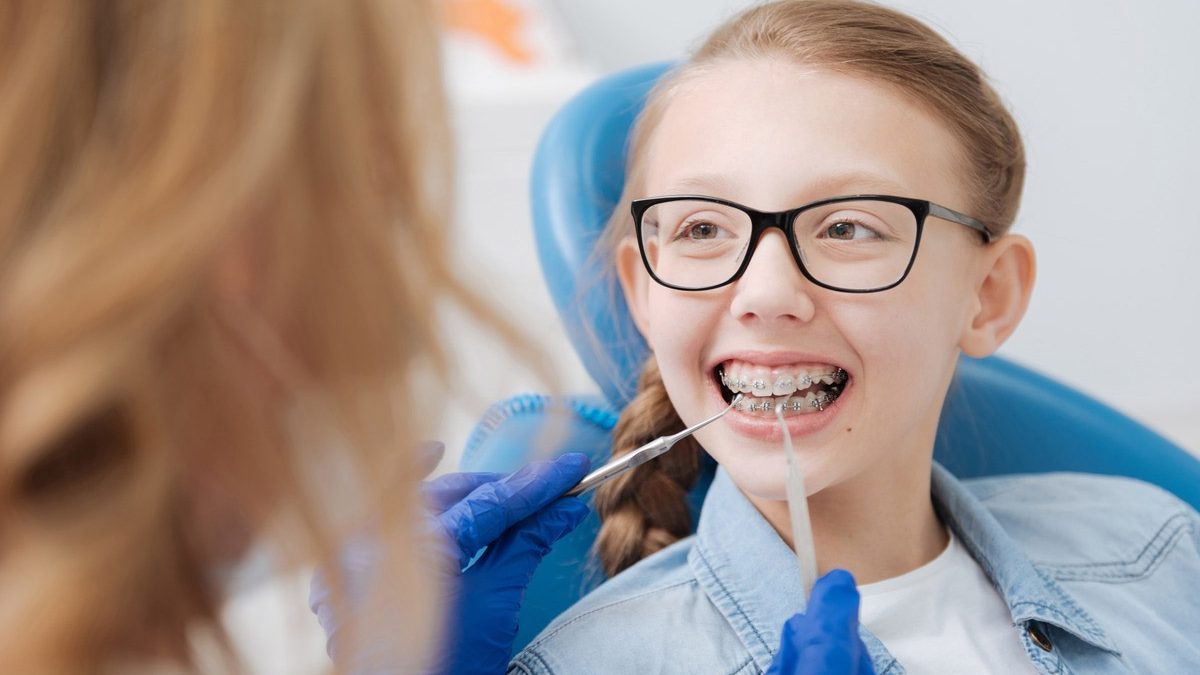
Understanding the 'why' behind early check-ups is the first step. The Australian Society of Orthodontists recommends a child's first orthodontic visit around age seven. It is important to understand that this initial appointment is for evaluation, not necessarily for immediate treatment. It is a proactive measure to assess the development of your child’s smile while some baby teeth are still present.
During this assessment, a specialist examines the relationship between the teeth, jaw, and face. This allows for the early identification of subtle issues, such as problems with jaw growth or the path of emerging permanent teeth. This foresight helps anticipate challenges like severe crowding, underbites, or impacted teeth before they become more complex. This evaluation is best performed by a dental team with extensive experience in children's orthodontics Brisbane, as our skilled professionals at Arete Dental Studio demonstrate.
This initial check-up determines if a child could benefit from what is known as 'two-phase' or early orthodontic treatment. An early phase of interceptive care can create a better foundation for the adult teeth, often making later treatment shorter and more effective. For many children, no immediate action is needed, but this assessment provides a valuable roadmap for their future oral health.
Signs Your Child May Need Orthodontic Attention
As a parent, you are in the best position to notice the subtle changes in your child’s smile. Being aware of certain signs can help you identify potential orthodontic needs early on. This isn't about looking for problems, but rather about being an observant partner in your child's oral health journey. These signs are widely recognised as indicators for potential orthodontic needs, as outlined by resources from the Australian Dental Association on teeth straightening and braces.
Some visual cues are quite obvious, such as visibly crooked, overlapping, or crowded teeth. Others relate to the bite itself, like an overbite where the top teeth protrude, or an underbite where the bottom teeth sit in front. You might also notice a crossbite, where some upper teeth sit inside the lower teeth. Less obvious indicators can include difficulty chewing, persistent mouth breathing, or jaws that shift or make sounds. Even habits like prolonged thumb sucking beyond the toddler years can influence jaw and tooth alignment.
Here is a quick reference to help you identify common signs that may suggest a need for an evaluation with an orthodontist for kids Brisbane Northside.
| Sign | What to Look For | Potential Underlying Issue |
|---|---|---|
| Crowding or Crooked Teeth | Teeth appear overlapped, rotated, or tightly packed. | Insufficient jaw space for erupting permanent teeth. |
| Protruding Front Teeth (Overbite) | The upper front teeth extend too far over the lower teeth. | Jaw misalignment or habits like thumb sucking. |
| Underbite | The lower front teeth sit in front of the upper front teeth. | A skeletal issue where the lower jaw outgrows the upper jaw. |
| Difficulty Chewing or Biting | Child complains of discomfort or avoids certain foods. | Misaligned bite (malocclusion) affecting function. |
| Early or Late Loss of Baby Teeth | Losing baby teeth significantly earlier or later than peers. | May indicate developmental or spacing problems for permanent teeth. |
Understanding Early Interceptive Treatment
Following an early assessment, some children may benefit from what we call 'interceptive' or 'Phase 1' treatment. It is important to distinguish this from the comprehensive treatment most people associate with braces. Phase 1 is a targeted, short-term intervention designed for a growing child to address specific developmental issues before they become more serious.
For example, a palatal expander might be used to gently widen the upper jaw, creating necessary space for crowded teeth to erupt properly. In other cases, a special appliance can help guide jaw growth to correct a significant bite problem like an underbite. The primary goal of this early orthodontic treatment is to create a healthier and more stable environment for the permanent teeth. This can significantly reduce the complexity of future treatment and, in some instances, even prevent the need for tooth extractions later on.
It is crucial to remember that not every child requires Phase 1 treatment. For many, simply monitoring their growth and development is the most appropriate course of action. Successful early intervention can make the second phase of treatment, which often involves braces or modern solutions like our clear aligners, much more straightforward and efficient.
The Optimal Window for Comprehensive Treatment
The most common period for comprehensive orthodontic treatment, such as full braces, is typically between the ages of 10 and 14. There are sound biological reasons why this window is so effective. By this age, most of the permanent teeth have erupted, yet the jaw and facial bones are still growing. This malleability makes it easier to move teeth and correct bite issues efficiently.
There is also a social benefit to this timing. Many children in Brisbane schools are undergoing orthodontic treatment at the same age, which can make the experience feel like a normal rite of passage rather than something that makes them stand out. Seeing friends and classmates with braces often helps normalise the process. While this age range is a general guideline for kids braces Ascot, the exact start time is always determined by your child’s unique developmental timeline. This comprehensive phase is where a truly personalised treatment plan is executed, reflecting the holistic approach to dental care we practice at Arete Dental Studio.
A Personalised Path to a Healthy Smile
Ultimately, the question of when should kids get braces is less about a fixed age and more about strategic timing based on individual growth. The journey to a healthy, confident smile is a collaborative partnership between you, your child, and your dental team. A thorough consultation is the essential first step to creating a personalised treatment plan that aligns with your family’s goals and your child’s specific clinical needs.
At Arete Dental Studio, our focus is on using advanced diagnostics and a patient-centred approach to map out the most effective and efficient path for every young patient. We believe in guiding growth thoughtfully and intervening only when necessary. We invite parents in Ascot, Hamilton, and across Brisbane’s Northside to begin this important conversation with our team. You can schedule a smile consultation to explore the best options for your child.
Tags
Where to Find Us
Located on Racecourse Road in Ascot, we proudly serve patients from Hamilton, Hendra, Clayfield, and across Brisbane. Our clinic is situated between Bendigo Bank and BOQ, with free 3P parking available underneath the Coles centre (accessed via Dobson St).