
A Parent's Guide to Children's Dental Trauma on Brisbane's Northside
Learn how to calmly and correctly respond to your child's dental injury with this essential guide for North Brisbane parents.
First Steps After a Dental Injury
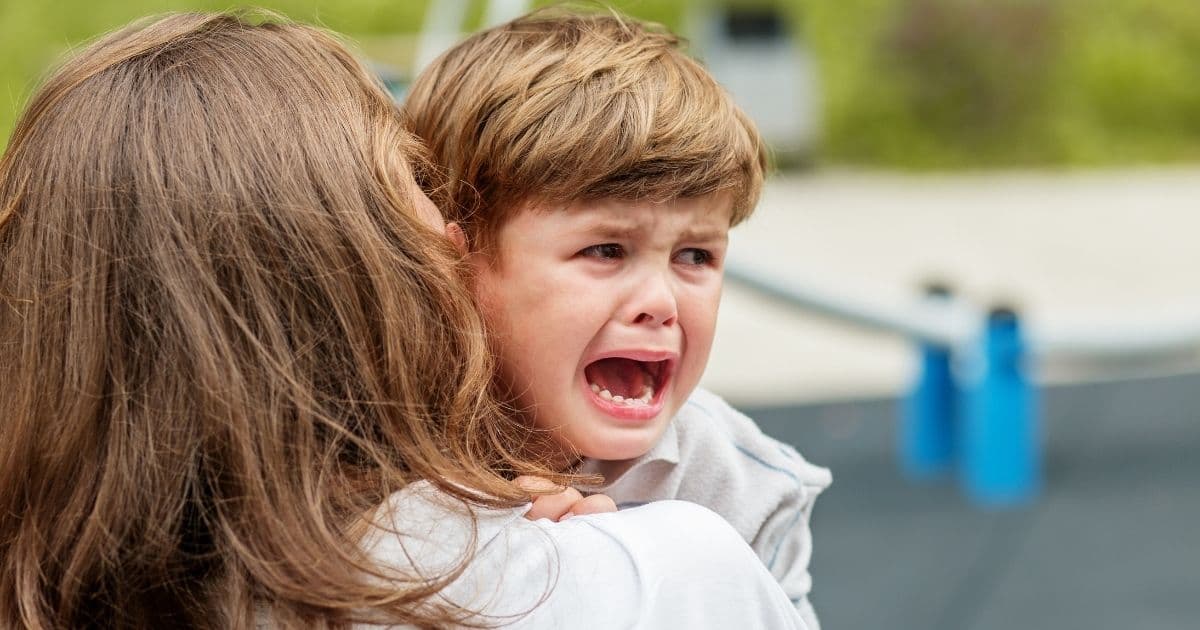
The sound of a child’s tumble on the playground or a fall during weekend sport is something every parent dreads. In those first few moments, your calm response is the most important tool you have. A parent’s composure directly influences a child’s anxiety, turning a frightening experience into a manageable one. The sense of security a child feels in a well-designed home is something a parent can recreate in a moment of crisis through their own calm demeanour.
Before inspecting the mouth, take a breath and reassure your child in a soft, steady voice. Your first priority is to quickly rule out more severe medical issues. Check for signs of a concussion, such as dizziness or confusion, or any uncontrolled bleeding that would require an immediate trip to the hospital.
If the injury is confined to the mouth, you can take control of the situation. Have your child gently rinse their mouth with warm salt water to clean the area. A cold compress or ice pack applied to the outside of the cheek will help reduce swelling and discomfort. These initial actions stabilise the situation, allowing you to clearly assess the damage and decide on the next step. When you're facing a child dental emergency, this calm triage is your most effective first aid.
Managing a Knocked-Out Adult Tooth
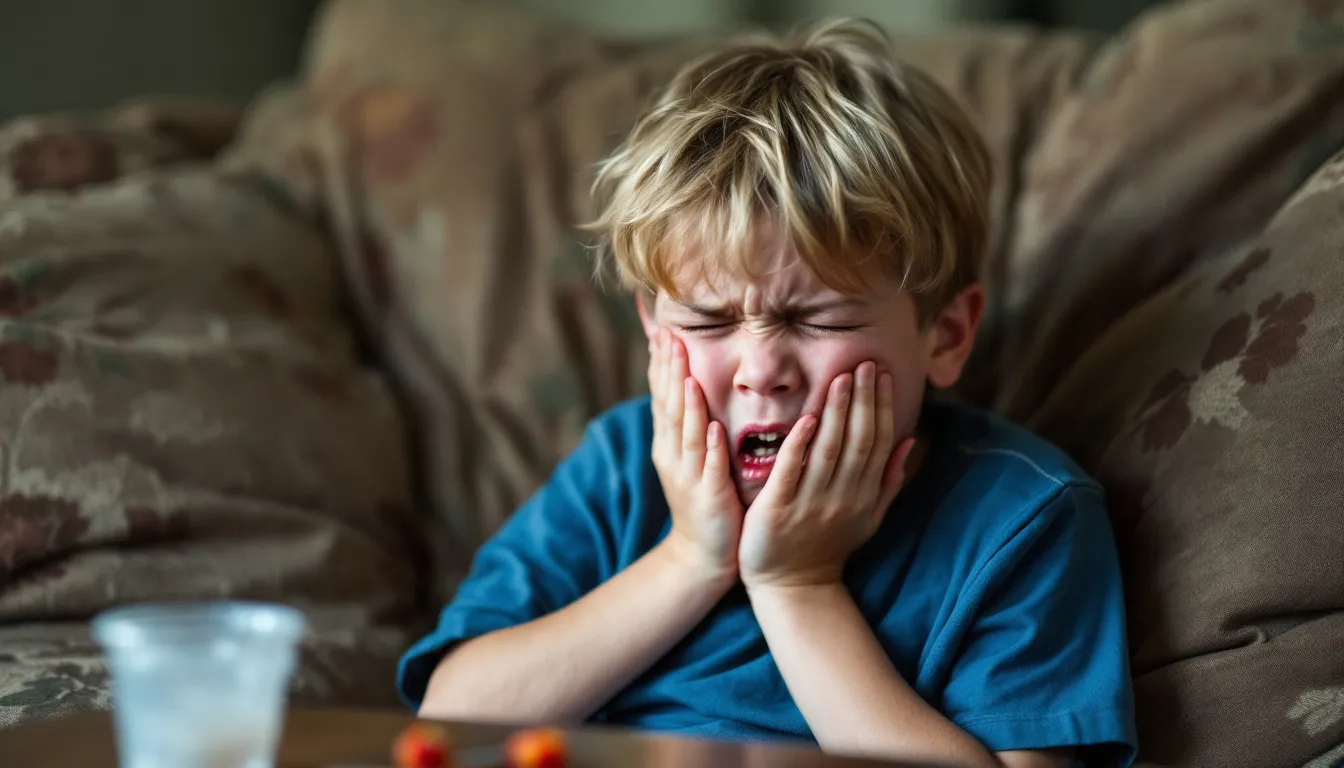
Once you have determined the injury is a knocked-out permanent tooth, time becomes critical. There is a 'golden hour' where the chances of successfully saving the tooth are highest. Acting quickly and correctly within the first 60 minutes can make all the difference. In this stressful moment, a clear sequence of actions is essential.
Here is what to do for a knocked out tooth:
- Handle the Tooth by the Crown: Pick the tooth up by the white, chewing surface only. Never touch the root, as this can damage the delicate cells needed for reattachment.
- Clean the Tooth Gently: If the tooth is dirty, rinse it for a few seconds in milk or a saline solution. Do not use tap water, and absolutely do not scrub or wipe it.
- Attempt to Reimplant: Gently push the tooth back into its socket. Once it is in place, have your child bite down on a clean piece of gauze or a handkerchief to hold it steady.
- Store it Correctly: If you cannot put the tooth back in, it must be kept moist. Place it in a small container of milk or saline solution. For an older, cooperative child, the tooth can be stored inside their cheek, bathed in saliva.
After taking these steps, you must contact a dentist immediately. Having access to immediate assistance is vital, and you can find our contact details and Ascot location on the Arete Dental Studio homepage.
Responding to Chipped, Cracked, or Dislodged Teeth
Not all dental trauma results in a completely knocked-out tooth. Often, an injury will cause a tooth to chip, crack, or become dislodged. While these may seem less dramatic, they still require prompt professional assessment to prevent long-term complications.
A minor chipped tooth on a child might only involve the outer enamel, but a deeper fracture can expose the sensitive inner pulp, causing pain and increasing the risk of infection. If you can find any broken fragments, save them in milk or saline and bring them with you to the dentist. For a dislodged tooth that is crooked but still in the socket, you can try to gently reposition it with light finger pressure. Do not force it if it resists.
The most important takeaway is that all these injuries need a dentist’s evaluation. A professional assessment is the only way to check for non-visible damage to the tooth’s nerve or root. In the long term, cosmetic solutions can beautifully restore a tooth’s appearance, and our team can discuss options like the porcelain veneers we offer to repair any lasting aesthetic concerns.
| Injury Type | What It Looks Like | Immediate Action |
|---|---|---|
| Minor Chip (Enamel Fracture) | Small piece of the outer white enamel is broken off. No visible pink or blood. | Rinse mouth with warm water. Find and save the fragment. Apply a cold compress. Call your dentist for an appointment. |
| Serious Fracture | A larger piece is broken. You may see a pink or red spot (the pulp). The tooth is often sensitive. | Rinse mouth immediately. Apply gauze if bleeding. Apply a cold compress. Contact your dentist urgently. |
| Dislodged (Luxated) Tooth | The tooth is pushed crooked, backward, or forward, but is still in the socket. | Gently try to reposition the tooth to its normal alignment with light finger pressure. Do not force it. Call your dentist for an emergency appointment. |
Caring for Soft Tissue and Jaw Injuries
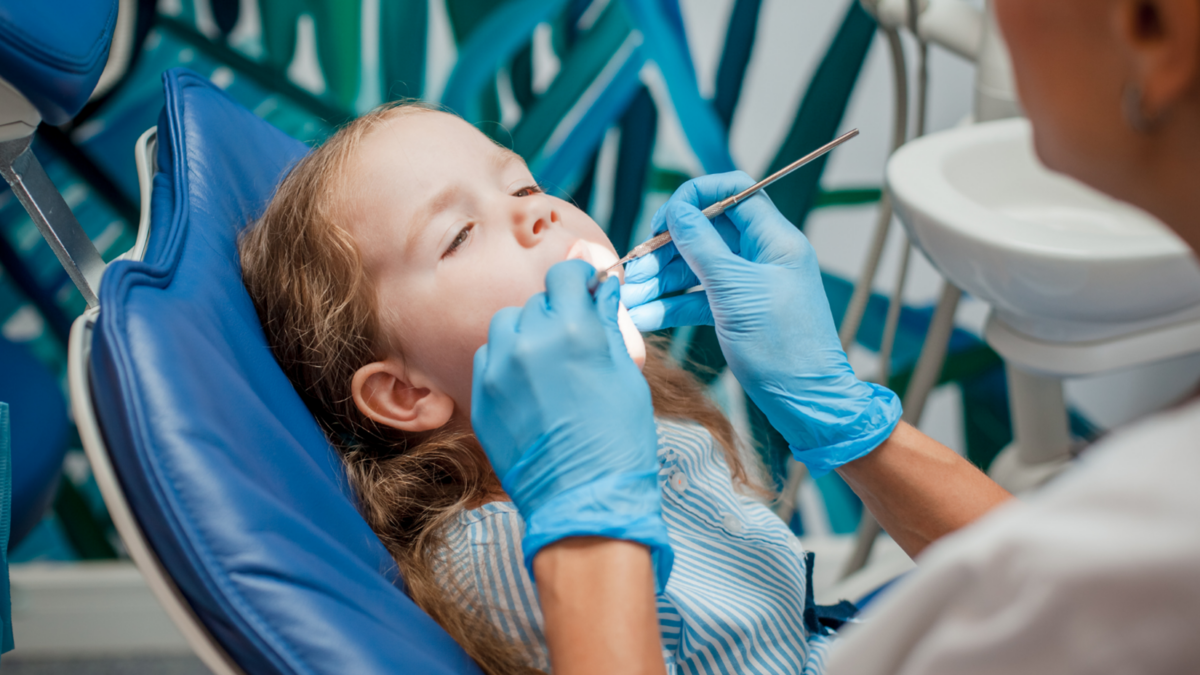
Dental trauma often extends beyond the teeth, affecting the lips, gums, tongue, and even the jaw. Managing these injuries correctly is just as important. For cuts inside the mouth, gently clean the area with water and apply firm, direct pressure with a piece of sterile gauze for 10 to 15 minutes to control bleeding.
It is crucial to know when to seek hospital care. If bleeding does not stop with sustained pressure, or if you suspect a jaw fracture, head to the nearest emergency room. Key signs of a broken jaw include the bite feeling ‘off’, an inability to close the mouth properly, or severe, persistent pain. A cold compress can help manage swelling on the way.
Even after a hospital visit for a jaw injury, a follow-up appointment with your dentist is essential. A thorough dental examination is needed to check for any associated damage to the teeth or their supporting structures, which may not have been the primary focus in the emergency room. You can have confidence in the expertise of the professionals providing this care by getting to know our experienced dental team.
Prevention and Emergency Preparedness
While accidents happen, proactive strategies can significantly reduce the risk and severity of dental injuries. For families across Brisbane, where school footy, rugby, and netball are a way of life, prevention is key. A custom-fitted mouthguard from a dentist offers far superior protection compared to generic boil-and-bite types, absorbing impact more effectively and staying securely in place.
Being prepared can also reduce panic during an emergency. We recommend assembling a simple dental first-aid kit to keep at home or take to sporting events. It should include:
- Sterile gauze pads
- A small, sealed container for a tooth or fragment
- Saline solution
- Your dentist's contact information
This paediatric dental trauma guide also highlights the value of having an established ‘dental home’. When your child has a regular dentist in Ascot or North Brisbane who knows their history, it ensures continuity of care and a familiar, trusted face in an emergency. We encourage parents to establish this relationship before an accident occurs. You can book a consultation with us to start building that foundation of trust and care for your child.
Your Child's Emergency Visit at Our Ascot Clinic
Should your child need urgent care, our studio is designed to be a calm and reassuring space. We understand that a dental emergency is stressful for both parent and child, and our team’s gentle, compassionate approach is central to our paediatric care. As your trusted emergency dentist for children in Ascot, we prioritise your child’s comfort from the moment you walk in.
We use advanced, low-dose digital X-rays to get an accurate diagnosis with minimal discomfort, allowing us to assess the injury thoroughly. Throughout the process, we ensure parents are kept fully informed and involved in every decision. Our goal is to provide not only exceptional clinical care but also the support and confidence you need. We believe high-quality care should be accessible, and you can learn more about our approach on our pricing and special offers page.
Tags
Where to Find Us
Located on Racecourse Road in Ascot, we proudly serve patients from Hamilton, Hendra, Clayfield, and across Brisbane. Our clinic is situated between Bendigo Bank and BOQ, with free 3P parking available underneath the Coles centre (accessed via Dobson St).