
April is Oral Cancer Month: A Brisbane Patient's Guide to Oral Cancer Detection
Understand the importance of oral cancer awareness and the role your local dentist plays in early detection.
Why Oral Cancer Awareness Matters in Brisbane
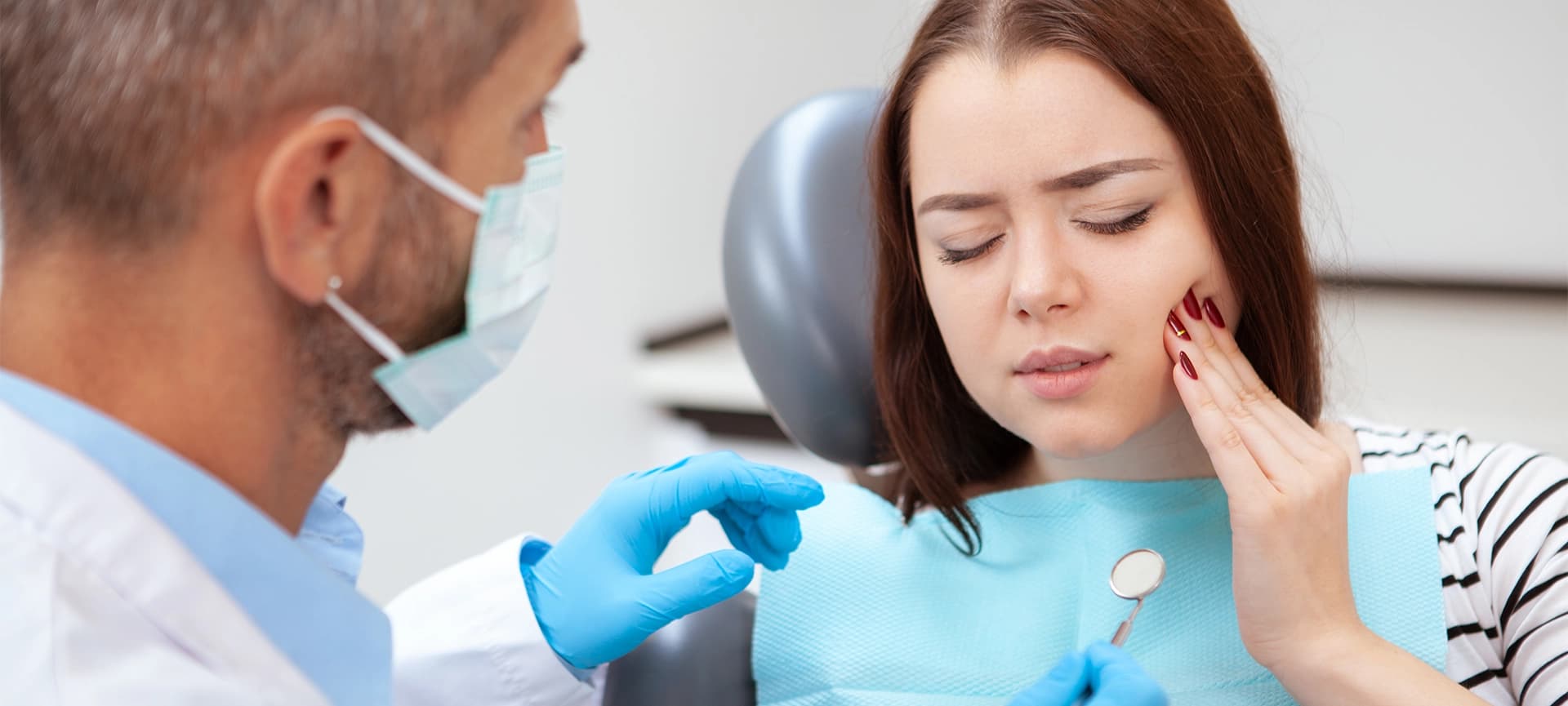
April marks Oral Cancer Awareness Month, a timely reminder for us here in Brisbane to focus on an important aspect of our overall health. According to the Cancer Council, oral cancer affects thousands of Australians each year, yet awareness of its signs and risk factors remains surprisingly low. The most powerful tool we have against it is not complex treatment, but simple, early detection. When found early, outcomes are significantly more positive, transforming a potentially serious issue into a manageable one.
This proactive approach to health is something we value deeply in our community. Being proactive about our health is part of what makes our Brisbane community so vibrant. Just as we might be engaging with local community resources to fully experience our city, taking the time for health awareness is key to our overall wellbeing. Access to an oral cancer screening for Brisbane residents is a straightforward, non-invasive part of a routine dental visit. It’s about taking a sensible step towards long-term wellbeing, guided by a healthcare partner you trust. Having confidence in your dental team is essential, and getting to know the professionals dedicated to your care is the first step. We believe that a familiar face and a trusted relationship make all the difference in feeling comfortable and cared for, which is why we invite you to meet our team of dedicated clinicians.
Understanding Common Oral Cancer Risk Factors
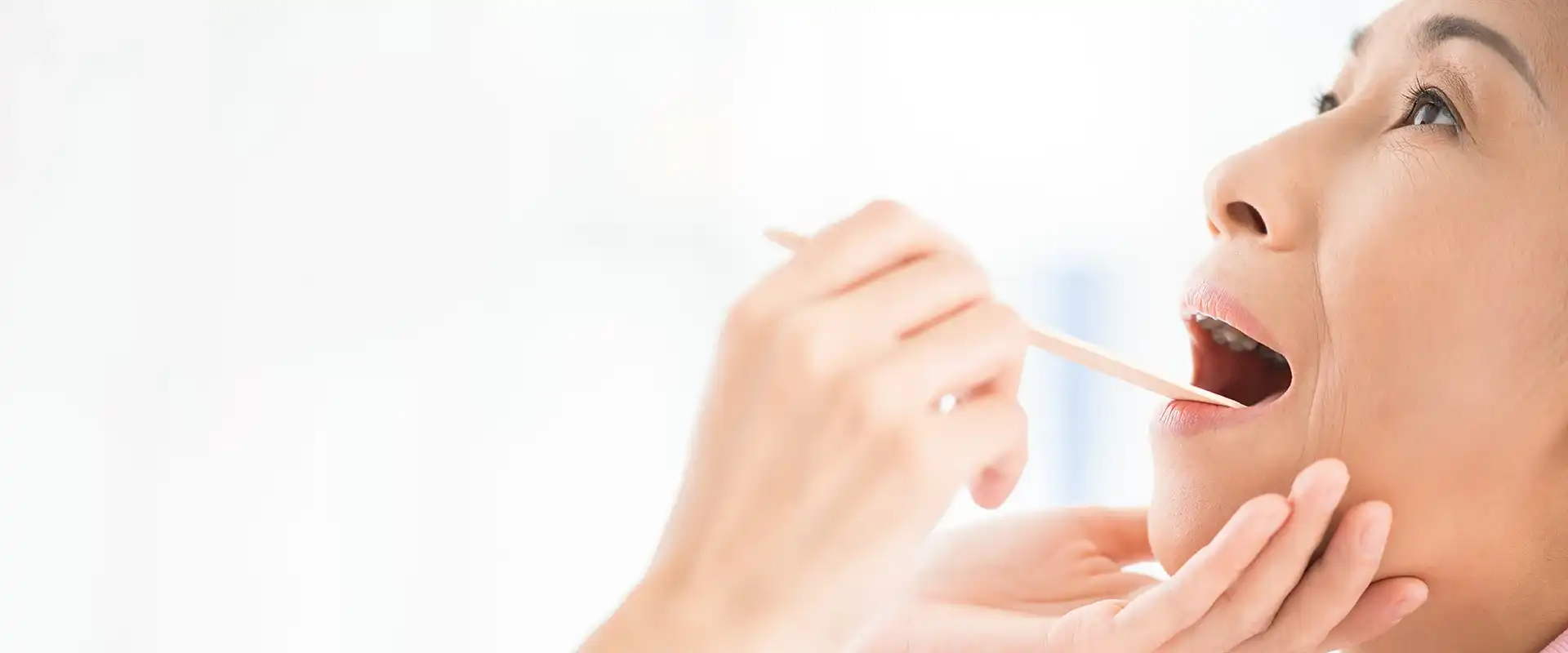
While awareness is the first step, understanding the factors that can increase risk is also empowering. Knowing what causes oral cancer allows you to make informed lifestyle choices that support your long-term health. The connection between certain habits and cellular health in the mouth is well-established. Over time, exposure to specific substances can damage the delicate tissues of the mouth, increasing the likelihood of abnormal changes.
Some of the most significant oral cancer risk factors Australia-wide include:
- Tobacco Use: This is the single largest risk factor. It applies to all forms of tobacco, including cigarettes, cigars, pipes, and smokeless products. The chemicals in tobacco directly damage the DNA of cells in the oral cavity.
- Excessive Alcohol Consumption: Heavy alcohol use, particularly when combined with smoking, significantly increases the risk. Alcohol can act as a solvent, making it easier for the harmful chemicals in tobacco to penetrate oral tissues.
- Sun Exposure: Living in sunny Queensland, we must be mindful of cumulative sun exposure, which is a primary cause of cancer on the lips. A simple habit like applying a lip balm with SPF protection can offer valuable defence.
- Human Papillomavirus (HPV): Certain strains of HPV are now known to be a leading cause of cancers in the oropharynx, which includes the back of the throat, the base of the tongue, and the tonsils.
It is crucial to remember that oral cancer can sometimes develop in individuals with no known risk factors at all. This is why professional screenings are so important for every adult. They are not just for those with high-risk lifestyles but are a fundamental part of comprehensive health care for everyone.
Recognising the Early Warning Signs at Home
Beyond professional check-ups, becoming familiar with your own mouth is a powerful habit. A monthly self-check, taking only a minute or two, helps you understand what is normal for you. This way, you are more likely to notice subtle changes that might otherwise be overlooked. The goal is not to self-diagnose but to be an active participant in your own health monitoring. Noticing one of the early signs of mouth cancer is simply a signal to seek a professional opinion for peace of mind.
According to Healthdirect Australia, a government-funded service, key symptoms to watch for include ulcers that do not heal and unusual patches in the mouth. Other signs to be aware of during your self-check include:
- A sore, ulcer, or irritation that does not heal within two weeks.
- Red or white patches on the gums, tongue, or lining of the mouth.
- A lump, thickening, or rough spot in the mouth or on the lip.
- Persistent numbness, pain, or tenderness anywhere in the mouth or on the lips.
- Difficulty chewing, swallowing, speaking, or moving the jaw or tongue.
- A chronic sore throat or a feeling that something is caught in the throat.
This simple guide can help you perform a systematic check at home.
| Area to Check | What to Look and Feel For | Helpful Tip |
|---|---|---|
| Lips (Inner & Outer) | Changes in colour or texture, sores, or lumps. | Use a bright light and a mirror. Don't forget the corners of your mouth. |
| Gums | Red, white, or dark patches; any swelling or bleeding. | Gently pull your lips away from your teeth to see your gums clearly. |
| Tongue (Top, Bottom, Sides) | Any unusual lumps, bumps, or patches. Check for sores that don't heal. | Gently pull your tongue out and inspect all surfaces, including the very back. |
| Inside of Cheeks | Red or white patches, tender spots, or lumps. | Use your finger to feel for any unusual textures or bumps inside your cheek. |
| Roof of Mouth (Palate) | Changes in colour, new lumps, or unusual textures. | Tilt your head back to get a clear view of the entire roof of your mouth. |
| Floor of Mouth | Any discolouration or lumps under the tongue. | Lift your tongue to the roof of your mouth to inspect the area underneath. |
Your Dentist’s Role in Comprehensive Screening
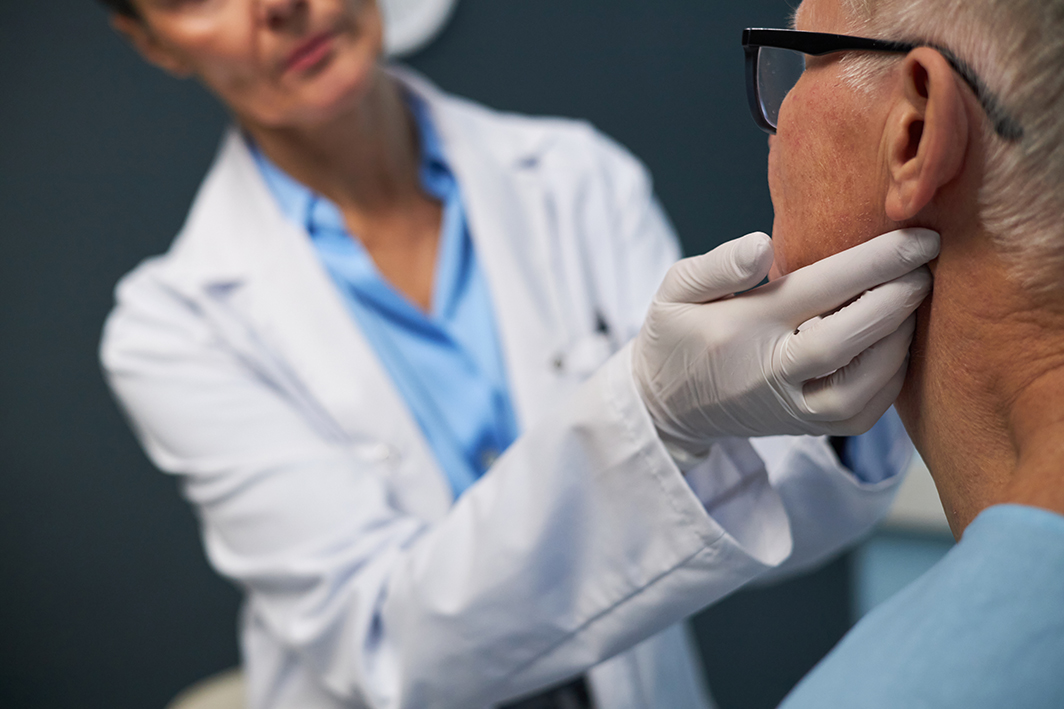
While self-checks are valuable, they are not a substitute for a professional examination. Your dentist is your greatest ally in early detection. A thorough oral cancer screening in clinics like ours provides, is a standard and painless part of every comprehensive dental exam. It is much more than a quick look; it is a methodical assessment of all the soft tissues in and around your mouth.
During a professional dental check up for cancer, your dentist performs both a visual and tactile evaluation. This involves carefully examining your lips, gums, cheeks, tongue, palate, and throat for any abnormalities. We also gently feel the tissues of your neck, jaw, and cheeks to check for any unusual lumps or swelling. What truly sets a professional screening apart is the combination of experience and technology. Dentists are trained to spot subtle changes that an untrained eye might miss. We use enhanced lighting and magnification to inspect tissues closely, allowing us to identify textures and discolourations that are not visible under normal conditions.
Finding an area of concern is not a cause for immediate alarm. Often, it simply means we will monitor the area or, if necessary, recommend a follow-up with a specialist to provide a definitive diagnosis and rule out any serious issues. The first step towards this level of comprehensive care is a dedicated smile consultation, where we can assess your overall oral health. This screening is part of our commitment to your complete wellbeing, alongside our other general and cosmetic dental services.
Proactive Steps for Your Oral Health
Taking charge of your oral health is a straightforward process built on partnership and consistency. It is about integrating simple, proactive habits into your life that contribute to both a confident smile and long-term wellbeing. By focusing on a few key actions, you can feel empowered and secure in your health.
Here are the pillars of a proactive approach:
- Perform Monthly Self-Checks: Stay familiar with what is normal for your mouth so you can spot changes early.
- Maintain Regular Dental Visits: Schedule comprehensive examinations that include a professional oral cancer screening at least once a year.
- Communicate Openly: Always discuss any concerns, no matter how small they seem, with your dentist. You are the expert on your own body.
These steps, combined with positive lifestyle choices like reducing tobacco and alcohol use and protecting your lips from the sun, form a powerful strategy for risk reduction. We believe exceptional care should be accessible, which is why we provide clear information on our affordable dental packages and specials to help you prioritise your health without uncertainty.
Tags
Where to Find Us
Located on Racecourse Road in Ascot, we proudly serve patients from Hamilton, Hendra, Clayfield, and across Brisbane. Our clinic is situated between Bendigo Bank and BOQ, with free 3P parking available underneath the Coles centre (accessed via Dobson St).