
A Brisbane Parent's Guide to Childhood Teeth Grinding
Find out why your child might be grinding their teeth and how you can help manage the habit with expert guidance.

Understanding Paediatric Bruxism
Hearing your child grind their teeth at night can be unsettling. It’s a sound that often leaves parents wondering if something is wrong. The reassuring truth is that teeth grinding, or paediatric bruxism, is a common occurrence in childhood. Many children experience it, and most will naturally outgrow the habit as their jaw and permanent teeth develop.
Paediatric bruxism is simply the involuntary clenching or grinding of teeth, which happens most frequently during sleep. It’s often considered a normal part of development, not necessarily a sign of a serious problem. There can even be a genetic component; if you had a history of grinding your teeth, your child might be more likely to do the same. While it’s wise to observe, the best approach is to ensure this is monitored during routine paediatric dental care in Brisbane.
This is where the guidance of a dedicated dental team becomes invaluable. At Arete Dental Studio, our team is committed to providing that peace of mind, partnering with you to support your child’s oral health journey with expertise and care.
Common Triggers for Teeth Grinding in Children
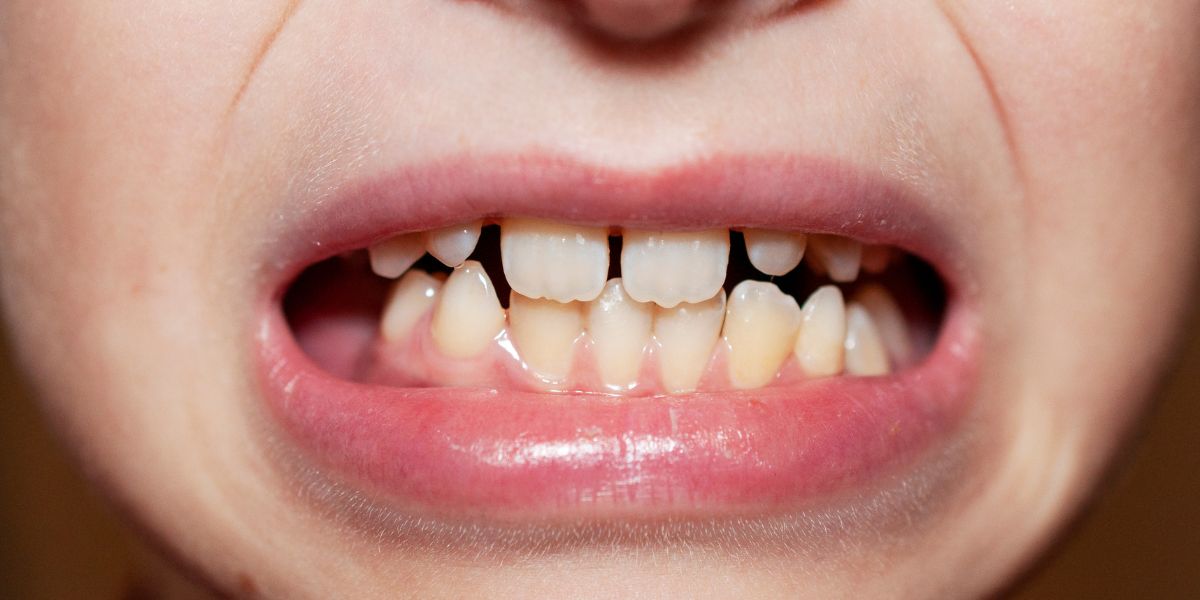
While the previous section defined what bruxism is, understanding why it happens can help parents identify potential causes. A child’s world is one of constant growth and change, and teeth grinding can be a physical response to a number of factors.
One of the most common triggers is emotional. Stress and anxiety, even in young children, can manifest physically. This could be related to the excitement and pressure of a new term at a school in Ascot or Hendra, changes in family routine, or even just a particularly busy day. The jaw becomes a place where this tension is held and released during sleep.
Developmental stages also play a significant role. For a toddler grinding teeth at night, the cause is often teething. The discomfort of new teeth erupting can lead them to grind as a way to soothe their gums or simply explore the new sensations in their mouth. It’s a temporary phase tied directly to their dental development.
Sleep-related issues are another piece of the puzzle. As noted by resources like Healthdirect Australia, bruxism can be linked to other health factors, including sleep disturbances like snoring or mouth breathing. In these cases, grinding may be a symptom of a disrupted sleep pattern. Finally, a misaligned bite can cause a child to grind as their jaw instinctively searches for a comfortable resting position. While this often resolves naturally, for older children and teens, modern orthodontic solutions like our clear aligners can address underlying alignment issues.
Recognising the Signs of Bruxism
Since teeth grinding often happens while a child is asleep, it can go unnoticed. However, there are several distinct clues that parents can look for. Recognising the signs of bruxism in children is the first step toward understanding if and when you need to seek professional advice.
Here are some of the most common indicators:
- Audible Grinding Sounds: A scraping or grating noise coming from your child’s room at night is often the first and most obvious sign. It can range from soft to surprisingly loud.
- Morning Complaints: If your child frequently wakes up with unexplained headaches, earache-like pain, or a sore jaw, it could be due to the muscle tension from overnight clenching.
- Daytime Oral Habits: Tension in the jaw doesn’t always stay confined to nighttime. Associated habits like chewing on pencils, collars, or fingernails, or even biting the inside of the cheek, can indicate a tendency toward oral tension.
Beyond what you can observe at home, a dentist can identify clinical signs that are invisible to the naked eye. During a routine check-up, we can spot subtle wear patterns on the enamel or feel for tenderness in the jaw muscles, providing a complete picture of your child’s oral health.
Potential Effects on a Developing Smile
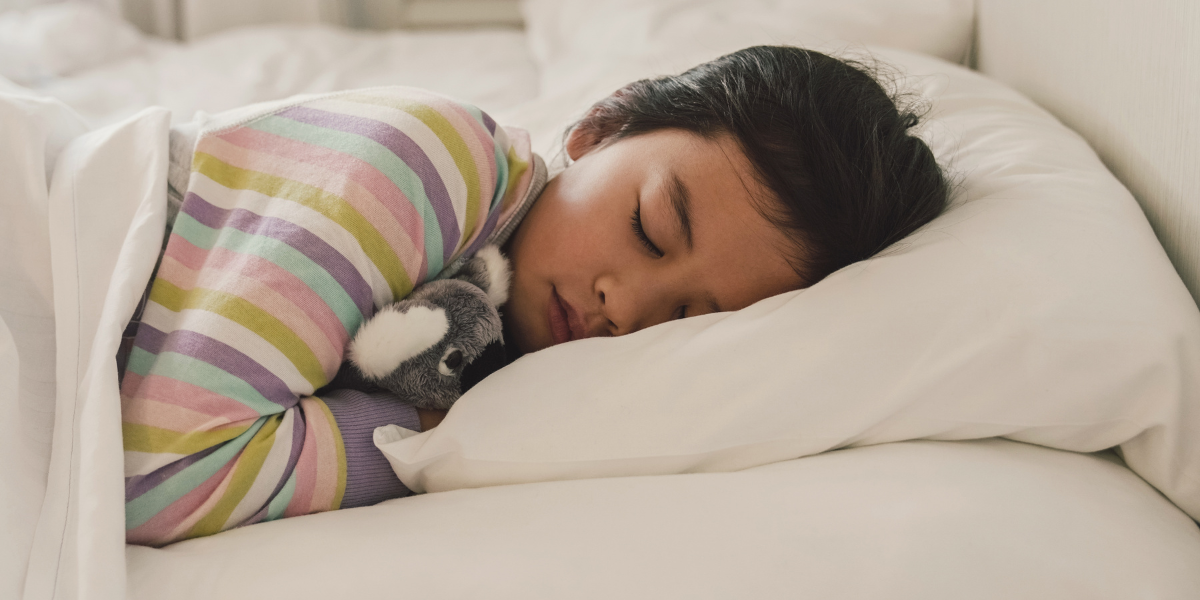
For any parent concerned about child teeth grinding in Brisbane, understanding the potential effects is important. The primary risk of persistent, forceful grinding is the gradual wearing down of tooth enamel. This can lead to teeth appearing flattened or shorter and may increase sensitivity to hot and cold temperatures. In more severe and prolonged cases, this pressure can cause teeth to chip or fracture.
It is important to remember that for most children, these effects are minimal. The habit is often temporary, and baby teeth are designed to be replaced. The key is professional monitoring to ensure a minor issue does not become more significant. An expert assessment helps categorise the severity and determine the right course of action.
In rare instances where damage occurs to permanent teeth, restorative care may be needed. For older patients, solutions such as our custom veneers can restore the function and appearance of a damaged tooth, but prevention through monitoring is always the preferred path.
| Severity Level | Observable Signs | Recommended Approach |
|---|---|---|
| Mild | Occasional, soft grinding sounds; no pain or visible wear. | Monitor at home; mention at next routine dental visit. |
| Moderate | Regular, audible grinding; occasional complaints of jaw soreness or mild headaches. | Professional assessment to track enamel wear and rule out underlying issues. |
| Severe | Loud, nightly grinding; frequent pain; visible flattening or chipping of teeth. | Comprehensive dental evaluation; may include a custom night guard for permanent teeth or referral to a specialist. |
A Proactive Approach for Brisbane Parents
The question many parents ask is how to stop kids grinding teeth. The answer often lies in management and proactive care rather than an immediate cure. Creating a calm and supportive environment can make a significant difference.
Start with stress-reduction techniques. A soothing bedtime routine, free from screens for at least an hour before sleep, can help calm a child’s nervous system. Consider reading a book together, a warm bath, or quiet conversation. For comfort, a gentle massage of the jaw muscles or a warm compress placed on the sides of the face can help relieve tension before bed.
You should seek professional guidance if the grinding continues past age six, if it causes consistent pain, or if you notice visible wear on the teeth. A trusted family dentist will conduct a thorough assessment to rule out underlying causes, create a personalised monitoring plan, and offer tailored advice. If you have concerns, the most reassuring step is to book a consultation to discuss them.
Our philosophy at Arete Dental Studio is built on this partnership, ensuring every family in our community feels heard, supported, and confident in their child’s dental health.
Tags
Where to Find Us
Located on Racecourse Road in Ascot, we proudly serve patients from Hamilton, Hendra, Clayfield, and across Brisbane. Our clinic is situated between Bendigo Bank and BOQ, with free 3P parking available underneath the Coles centre (accessed via Dobson St).